Salads
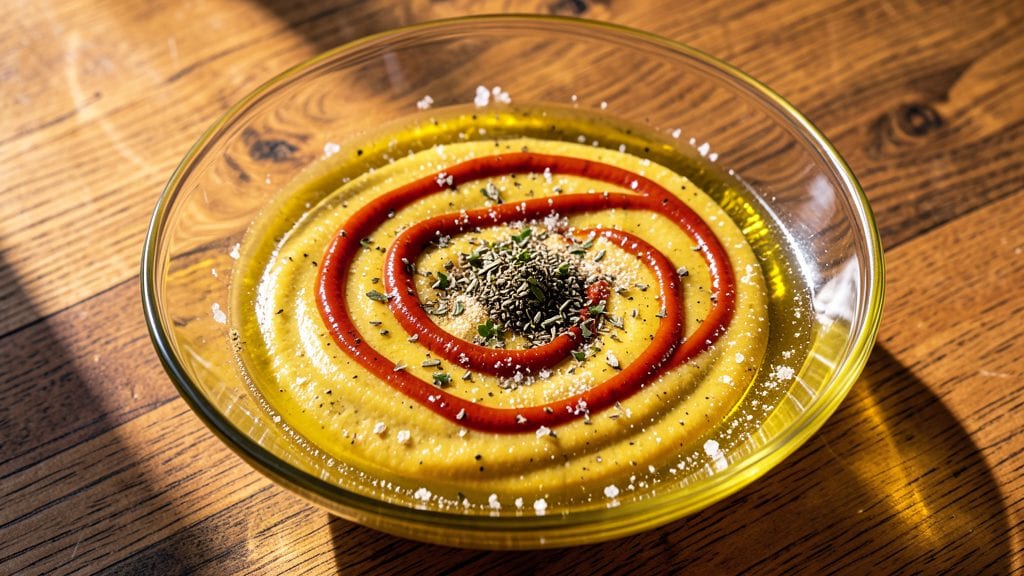
This House of Prime Rib San Francisco salad dressing recipe delivers the signature bold citrus-olive oil zing that made their restaurant famous. The secret lies in balancing bright lemon juice with premium extra-virgin olive oil, creating a dressing that's tangy yet rich—perfect for transforming simple greens into a restaurant-worthy salad.
My version maintains their authentic flavor profile while simplifying the process for home kitchens.
The dressing combines just six ingredients, all carefully measured to achieve that signature emulsification without requiring special equipment. Premium olive oil forms the base, while fresh lemon juice provides the signature tang.
A touch of Dijon mustard acts as the natural emulsifier, binding the oil and vinegar into a silky, clingy dressing that coats every leaf perfectly. The addition of garlic powder and dried oregano adds depth that mirrors the restaurant's signature flavor.
What makes this dressing truly special is how it elevates even the simplest salad into something extraordinary. The bright citrus notes cut through rich ingredients like avocado or grilled chicken, while the olive oil adds luxurious body.
It's the kind of dressing that makes you want to eat salad for every meal—no compromise on flavor, just pure restaurant-quality taste at home. Ready in just 5 minutes, this dressing will become your go-to for all salads and marinades.
Use it immediately on mixed greens with your favorite proteins, or store it in the refrigerator for up to 1 week. The flavor actually improves as it sits, developing deeper complexity with each passing day.
This is the dressing that will have your guests asking for the recipe—and wondering why they ever bought store-bought versions.
Ingredients for house of prime rib san francisco salad dressing
Six ingredients, five minutes, restaurant-quality tangy richness in every bite.
| Ingredient | Amount | Notes |
|---|---|---|
| Extra-Virgin Olive Oil 🫒 | ¾ cup | High-quality, fruity, cold-pressed |
| Fresh Lemon Juice 🍋 | ½ cup | Strained, no pulp, freshly squeezed |
| Dijon Mustard 🌿 | 1 tbsp | Mellow, not spicy, for emulsification |
| Garlic Powder 🧄 | 1 tsp | Freshly ground preferred |
| Dried Oregano 🌿 | 1 tsp | Mediterranean or Italian variety |
| Sea Salt 🧂 | ½ tsp | Fine grain, Diamond Crystal preferred |
The olive oil is non-negotiable here—look for extra-virgin with a fruity aroma like Colavita or California Olive Ranch from the grocery store's specialty section. Fresh lemon juice is a must; bottled won't cut it. I always grab two lemons—one for the dressing, one for garnish. The Dijon mustard acts as the emulsifier, so use a high-quality brand like Maille if you're splurging. For the garlic powder, check the date—it loses punch fast once opened. If you've got whole garlic cloves, toast and grind them yourself for even better flavor.
No Dijon? Yellow mustard at half the amount works in a pinch, though it lacks the finesse. Short on oregano? Dried basil or thyme at the same quantity adds a different but still delicious dimension. The sea salt should be fine grain—Diamond Crystal or Morton's are reliable. For extra brightness, add a splash of white wine vinegar (start with 1 tsp) if you're feeling adventurous. This dressing is incredibly forgiving, but the oil-to-lemon ratio is key—measure carefully for that signature emulsification.
Store in an airtight jar in the fridge for up to 1 week, though it peaks after 3-4 days. The flavor actually deepens as it sits, developing that restaurant-quality complexity. I like to make a double batch—one for immediate use, one to stash. Shake well before each use since it separates slightly. Freezes beautifully for up to 3 months if you want to prep ahead. Trust me, the first time you drizzle this over a simple arugula salad with grilled chicken, you'll never go back to store-bought.
Why You'll Love This Recipe
- Five-Ingredient Magic: I swear by this combo—just olive oil, lemon, mustard, garlic powder, and oregano. That’s it. No fancy emulsifiers or confusing ratios; the mustard ties everything together while the lemon keeps it bright and fresh.
- Garlic-Kissed Umami Bomb: Honestly, the garlic powder here isn’t just background flavor—it’s the star. When you whisk it into the olive oil, that warm, savory punch cuts through greens like a knife. (Yes, even on a Tuesday night.)
- Salad’s Best Friend: This dressing doesn’t just work on greens—it’s my go-to for roasted veggies, grilled chicken, or even drizzled over avocado toast. The lemon keeps it from getting heavy, so it’s always a crowd-pleaser.
- Makes a Week’s Worth: Between us, I double the batch and store it in the fridge. It stays fresh for days, and the mustard keeps it from separating. No wasted ingredients, no last-minute scrambling—just reliable flavor whenever I need it.
Step-by-step instructions for bold citrus-olive oil dressing
This dressing comes together in minutes with just six ingredients, delivering that signature San Francisco zing.
Whisk Olive Oil and Lemon Juice Together
In a medium bowl, combine the 0.75 cup extra-virgin olive oil and 0.5 cup fresh lemon juice. I use a whisk for this step—it creates a fine emulsion right away. The acidity of the lemon will start to break down the oil slightly, but we'll stabilize it with the mustard. Stir vigorously for about 30 seconds until the mixture appears slightly thickened and cloudy. This is normal—the citrus is beginning to emulsify the oil.
Here's the thing—don't skip this initial blending. The lemon juice contains natural pectin that helps create that signature tangy, velvety texture. If you rush this step, your dressing might separate later. I like to give it a taste at this point—it should be bright, citrus-forward, and slightly oily, with no bitter aftertaste from the lemon pulp (that's why we strain it).
Incorporate Mustard and Garlic Powder
Add the 1 tablespoon Dijon mustard and 1 teaspoon garlic powder to the bowl. The mustard acts as our emulsifier—its mild tang and protein content bind the oil and lemon juice together. Use a fork or small whisk to combine thoroughly, scraping the bottom and sides of the bowl to ensure no dry powder remains. You'll notice the mixture immediately thicken slightly as the mustard hydrates.
I've found that Dijon mustard works best here because it's mellow enough not to overpower the citrus but robust enough to create that stable emulsion. If you're using a particularly strong mustard, reduce to ½ tablespoon to maintain balance. The garlic powder adds depth without the sharpness of fresh garlic, which can sometimes overpower delicate salads. Whisk for another 20-30 seconds until completely smooth.
Add Oregano and Season with Salt
Sprinkle in the 1 teaspoon dried oregano and 0.5 teaspoon sea salt, then whisk until fully dissolved. The oregano brings that classic Mediterranean brightness that complements the citrus so well. I use Mediterranean oregano specifically—it's more floral and aromatic than Mexican oregano, which can taste slightly medicinal. The salt should dissolve completely, but if you see any grains, give it another 10 seconds of whisking.
Taste the dressing at this stage. It should be tangy, slightly garlicky, and herbaceous, with a balanced saltiness. If it needs more acidity, add 1 teaspoon more lemon juice; if it needs more body, add 1 teaspoon olive oil. This is where you can adjust to your preference. The dressing should coat the back of a spoon but still flow freely—it should be thick enough to cling to greens but not so heavy it weighs down your salad.
Final Emulsification and Taste Adjustment
Transfer the dressing to a clean jar with a tight-sealing lid. Seal and shake vigorously for 15-20 seconds until completely smooth. This final shaking ensures a perfect, stable emulsion that won't separate in your fridge. The dressing should look uniform and glossy, with no visible oil separation. If you see any streaks after shaking, give it another 10 seconds—sometimes the mustard needs a little more time to fully bind the oil.
Let the dressing sit at room temperature for 5 minutes before using. This resting period allows the flavors to meld completely. Give it one final taste—it should be bright, herbaceous, and perfectly balanced. The olive oil should be noticeable but not overpowering, and the lemon should shine through with a clean, fresh finish. This dressing keeps well in the refrigerator for up to 1 week, though I find it's best used within 3-4 days for maximum freshness.
Pro Tips For Making House Of Prime Rib San Francisco Salad Dressing
- Whisk in stages: Start with just the mustard and lemon juice—this keeps the mixture from breaking when you add the oil. I learned this the hard way after watching my first batch split like a bad vinaigrette. Add the oil slowly while whisking like you’re trying to win an arm-wrestling match with the bowl.
- Use real garlic: Skip the powder—fresh minced garlic (or a light toast in olive oil for 30 seconds) adds depth the jarred stuff can’t match. If you’re allergic to chopping, pre-minced in olive oil works, but drain it well or the dressing turns greasy. Trust me, your taste buds will notice.
- Balance the lemon: Taste as you go—this isn’t a science experiment, but if the dressing tastes like a lemon wedge, you’ve overdone it. A splash of water (1 tsp at a time) cuts the acid without diluting the flavor. I once ruined a batch by ignoring this; now I adjust like a boss.
- Store oil separately: Keep the dressing and oil in separate jars in the fridge—this keeps it from turning into a sad, greasy puddle. When ready to use, whisk in just enough oil to coat the back of a spoon. Sounds weird, but it works: fresher taste, longer shelf life, and no one will know your secret.
Essential equipment for perfect results
Whisk Essentials
You don't need fancy equipment, but a good whisk makes all the difference. I use a stainless steel balloon whisk (like the OXO Good Grips) for its durability and fine emulsification. The wire loops create tiny air bubbles that help stabilize the oil-lemon mixture.
If you're making this dressing often, invest in one—it's a game-changer for homemade dressings. For a budget option, a French whisk works just as well. 💡
Measuring Tools
Precision matters with this dressing, especially the olive oil-to-lemon ratio. Use a liquid measuring cup with clear markings for the oil and lemon juice. For the dry ingredients, a small measuring spoon set (like West Bend) ensures accurate amounts.
I keep my measuring tools in the same drawer as my whisk for easy access. Never eyeball the lemon juice—freshness varies, and too much can make the dressing too acidic.
Storage Containers
Once made, transfer your dressing to an amber glass jar (like Klean Kanteen) to protect it from light, which can degrade the olive oil over time. The tight-sealing lid is crucial—it prevents air exposure that causes separation.
I like to label my jars with the date so I can track freshness. For serving, a small glass cruet (like Le Creuset) keeps the dressing at room temperature while looking elegant on the table.
Optional Blender
If you prefer a thicker, more stable dressing, a mini immersion blender (like Magic Bullet) can help create a smoother emulsion. Simply blend all ingredients together for 10-15 seconds until completely smooth.
This method is especially useful if you're using a stronger mustard or adding extra herbs. The immersion blender is also great for making larger batches without extra bowls. 🌟
Lemon JuicerTool
A handheld lemon juicer (like OXO Good Grips) saves time and ensures you get every drop of juice without pulp. I use mine for all citrus dressings—it's a small investment that makes a big difference.
No juicer? A fine-mesh strainer works in a pinch, but you'll need to press the lemons thoroughly. Always strain the juice to avoid bitterness from the pulp, which can ruin the delicate balance of this dressing.
Taste Spoon
Keep a small silicone spatula (like OXO Good Grips) handy for tasting as you go. It's more sanitary than your finger and lets you scrape every last bit from the bowl.
I use mine to check the dressing at each stage—this way, I can adjust flavors before it's too late. A taste spoon also doubles as a tool for stirring, so it's a multi-purpose essential in my kitchen. 💫
Nutrition facts
Frequently asked questions
Can I substitute lemon juice with another citrus?
While lemon works best for that signature tang, you can use lime juice (same amount) for a slightly sweeter profile or orange juice (reduce to ¼ cup) for a milder flavor. For extra brightness, add 1 teaspoon white wine vinegar to compensate for any sweetness. Just remember—citrus quality matters! Bottled juices lack freshness and won't emulsify as well.
Why did my dressing separate?
Separation usually means the oil-to-lemon ratio was off or the mustard didn't fully emulsify. Always whisk vigorously for 30 seconds when combining oil and lemon, then shake the jar for 15-20 seconds after adding dry ingredients. For a quick fix, whisk in 1 teaspoon Dijon mustard and shake again. Store in a sealed jar to prevent air exposure, which causes separation over time.
How can I make this dressing thicker or thinner?
For a thicker dressing, whisk in 1 teaspoon more Dijon mustard or add 1 tablespoon olive oil. For a thinner consistency, gradually add 1-2 teaspoons water or lemon juice while whisking. The ideal texture should coat the back of a spoon but still flow freely—this ensures perfect cling to salad greens without weighing them down. Adjust gradually to avoid over-thinning.
Can I use this dressing on non-salad dishes?
This versatile dressing works beautifully as a marinade for grilled chicken or fish (reduce lemon to ¼ cup and add 1 tablespoon honey), a dip for crusty bread, or even a finishing sauce for roasted vegetables. The bright citrus and herby notes complement proteins and veggies alike. For marinades, use within 2 hours of making to preserve freshness.
What's the secret to making it taste like House of Prime Rib's?
The key lies in the olive oil quality and fresh lemon juice—never bottled! Use a premium extra-virgin olive oil with fruity notes and freshly squeezed juice (strain well). The Dijon mustard must be mellow, not spicy, and the garlic powder should be freshly ground. Let the dressing rest for 5 minutes before using—this allows flavors to meld just like the restaurant version. Patience is everything!