Desserts
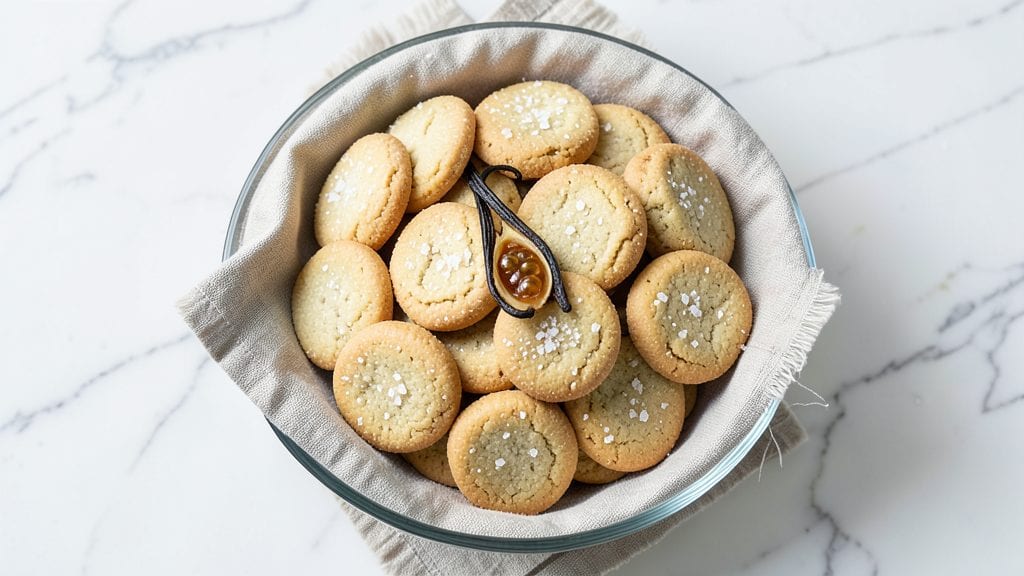
Martha Stewart's shortbread cookies recipe delivers the perfect balance of buttery richness and delicate crumb that makes them irresistible. The secret lies in a precise ratio of cold butter to flour, creating that signature melt-in-your-mouth texture with just a hint of vanilla bean.
I've baked these countless times, and the difference between good shortbread and exceptional shortbread comes down to these exact proportions and techniques.
What sets these apart is the use of European-style butter (82% fat content) and a touch of vanilla bean paste for depth. The dough requires minimal handling to maintain its tender structure, and baking at a precise temperature ensures even golden edges without over-browning.
This isn't just another cookie recipe—it's a technique that transforms simple ingredients into something truly special.
By following this method, you'll achieve cookies with crisp edges that give way to a velvety interior, all infused with warm vanilla notes. The aroma alone will have everyone asking for seconds, and the texture is so delicate it practically dissolves on your tongue.
These are the kind of cookies that elevate any occasion from casual to memorable.
The beauty of this recipe is its versatility—dip in chocolate, sprinkle with flaky salt, or enjoy them plain. With just five ingredients and 20 minutes of active time, you'll have a batch of shortbread that rivals anything from a high-end bakery. Let's get started on creating these timeless treats.
Ingredients for martha stewart shortbread cookie
Five ingredients transform into Martha Stewart's signature buttery shortbread with crisp edges and velvety centers.
| Ingredient | Amount | Notes |
|---|---|---|
| European-Style Butter 🧈 | 1 cup | 82% fat content, cold and cubed |
| All-Purpose Flour 🌾 | 1 ½ cups | Sifted for light texture |
| Granulated Sugar 🍚 | ¼ cup | Fine grain preferred |
| Vanilla Bean Paste 🌿 | ½ tbsp | For authentic vanilla depth |
| Flaky Sea Salt 🧂 | ½ tsp | For finishing touch |
The butter is non-negotiable here. European-style butter with 82% fat content (like Plugrá or Kerrygold) creates that signature melt-in-your-mouth texture. Buy it in blocks and keep it cold—never softened. The flour should be sifted before measuring to ensure a light, airy dough. King Arthur or Gold Medal brands work best. For the vanilla, vanilla bean paste (not extract) delivers that restaurant-quality depth—Madagascar or Tahitian beans are ideal. The sugar is just a touch—fine grain dissolves better for even sweetness.
No European butter? High-fat American butter (80-82%) works in a pinch, but the texture will be slightly less luxurious. Running short on vanilla paste? Pure vanilla extract at half the amount gets you close, though it lacks the speckled seeds. The flaky sea salt is optional but recommended—Maldon or Jacobsen brands melt beautifully. For a nutty twist, swap half the flour for almond flour. And if you're feeling adventurous, add 1 tsp lemon zest to the dough for a bright contrast.
Store the butter block in the freezer to keep it cold, then let it sit at room temperature for just 10 minutes before cubing. The dough can be shaped and chilled for up to 24 hours before baking—this actually improves the texture. Once baked, these cookies stay fresh for 5 days in an airtight container at room temperature. For longer storage, freeze the unbaked dough logs for 3 months—bake straight from frozen, adding 2-3 minutes to the time.
Why You'll Love This Recipe
- Three-Ingredient Magic: I swear, this recipe is foolproof—just butter, sugar, and flour, mixed and baked. No fancy techniques, no stress. Even if you burn the first batch (it happens), the second one will be golden perfection.
- Buttery Vanilla Bliss: That European-style butter? It’s the star—rich, creamy, and packed with flavor. Add a splash of vanilla bean paste, and suddenly, you’ve got cookies that taste like a fancy patisserie, not your kitchen.
- Holiday or Snack Attack: Between us, these are my go-to for cookie exchanges, but they’re just as good for a quick afternoon pick-me-up. Freeze half the batch, and you’ve got instant treats for months.
- Budget-Friendly Luxury: Flaky sea salt turns simple ingredients into something special, but you only need a pinch. A single vanilla bean paste pod stretches for multiple batches, so your wallet stays happy while your taste buds celebrate.
Step-by-step instructions for Martha Stewart's shortbread cookies
This classic recipe delivers melt-in-your-mouth texture with perfect balance of sweetness and salt.
Prepare the Dough Base
In a large mixing bowl, combine the 1 cup European-Style Butter (cold and cubed) with the 0.25 cup Granulated Sugar. Use a pastry cutter or your fingers to work the butter into the sugar until the mixture resembles coarse crumbs with pea-sized butter pieces remaining. This texture is crucial—it ensures the final cookies have that signature crumbly yet tender bite.
Add the 1.5 cups All-Purpose Flour and mix gently with a wooden spoon until just combined. Avoid overmixing at this stage—you want to preserve the dough's delicate structure. Incorporate the 0.5 tbsp Vanilla Bean Paste and mix until evenly distributed throughout the flour. The dough should hold together when pressed but still feel slightly dry and crumbly.
Form and Chill the Dough
Turn the dough out onto a lightly floured surface and gently press it together into a cohesive mass. Divide the dough into two equal portions (each about ¾ cup) and flatten each into a 4-inch round disc, about ½-inch thick. Wrap each disc tightly in plastic wrap and refrigerate for at least 1 hour or up to 24 hours. This chilling step is essential—it firms up the butter for clean slicing and prevents excessive spreading during baking.
I like to press the dough discs between two sheets of parchment paper before wrapping. This prevents them from sticking to the plastic and makes them easier to handle when ready to slice. The colder the dough, the cleaner your cuts will be—aim for 35-40°F dough temperature for perfect results.
Preheat and Prepare for Baking
Preheat your oven to 325°F. Line two baking sheets with parchment paper or silicone baking mats. The lower temperature ensures even baking without browning, while the parchment prevents the delicate cookies from sticking. Place a wire rack on top of one baking sheet—this will help the cookies cool evenly after baking.
Remove the chilled dough discs from the refrigerator and let them sit at room temperature for 5-10 minutes before slicing. This brief warm-up makes the dough more pliable without losing its shape. Using a sharp 3-inch round cutter, press straight down through both discs to create uniform cookies. Re-press the cutter firmly after each cut to maintain consistent thickness.
Bake to Golden Perfection
Arrange the cut shortbread rounds on the prepared baking sheets, leaving about 1 inch of space between each cookie. Bake for 15-18 minutes until the edges are just beginning to turn very pale golden and the centers remain slightly underbaked. Overbaking is the enemy here—shortbread should be tender, not crisp.
Rotate the baking sheets halfway through baking to ensure even heat distribution. The cookies are done when they pull away slightly from the parchment but still feel soft to the touch. Remove them immediately when they reach this stage—they'll firm up as they cool. Let the cookies cool on the baking sheet for 5 minutes before transferring to a wire rack to cool completely.
Finish and Serve
Once completely cool, place the shortbread cookies on a serving platter. Using a fine-mesh sieve, dust the tops lightly with the 0.5 tsp Flaky Sea Salt. This finishing touch enhances the vanilla flavor and adds a sophisticated contrast to the buttery sweetness. Serve at room temperature for the best texture—these cookies keep well in an airtight container for up to 5 days.
The final cookies should have clean edges with a delicate crumbly texture that gives way to a tender, melt-in-your-mouth bite. Each bite should deliver rich butter flavor with subtle vanilla depth and just a hint of salt. For extra indulgence, pair with a cup of freshly brewed tea or a glass of cold milk.
Pro Tips For Making Martha Stewart Shortbread Cookie
- Chill the Dough Properly: Martha’s recipe calls for a 24-hour fridge rest, but I learned the hard way—don’t just toss it in. Spread the dough into a single even layer on parchment, then chill uncovered. This prevents sticking and ensures uniform thickness when cutting. (Yes, even if you’re impatient like me.)
- Use Cold Butter: European-style butter is your secret weapon, but it’s useless if it’s soft. Cut it into small cubes and freeze for 10 minutes before mixing—this keeps the dough firm and prevents overworking. Overworked dough = tough cookies. (Your future self will notice.)
- Cut When Cold: Resist the urge to cut the dough right after shaping. Let it rest in the fridge for at least 1 hour before slicing—this guarantees clean edges and prevents the cookies from spreading into sad, misshapen blobs. (I used to skip this; don’t make my mistake.)
- Toast the Sugar: Skip the vanilla bean paste for a second and lightly toast the granulated sugar in a dry pan over medium heat for 2–3 minutes until it smells caramelized. Cool it completely before mixing—this adds depth without extra effort. (Sounds weird, but it works.)
Best sauces and condiments for martha stewart shortbread cookie
Classic Vanilla Glaze
Elevate your shortbread with a simple vanilla glaze that mirrors the dough's signature flavor. Whisk together ½ cup powdered sugar with 1 tbsp heavy cream and ½ tsp vanilla extract until smooth.
Drizzle over cooled cookies and let set for 10 minutes. This adds a delicate sweetness without overpowering the buttery base. 🌿
Dark Chocolate Dip
For a decadent twist, melt ½ cup dark chocolate (70% cocoa) with 1 tbsp coconut oil in a double boiler. Dip half of each shortbread cookie into the chocolate, allowing excess to drip off.
Place on parchment paper and chill for 15 minutes to set. The contrast of rich chocolate and buttery shortbread is unbeatable. I recommend Ghirardelli 70% Cacao for the best flavor.
Lemon Zest Twist
Add a bright citrus note by mixing 1 tbsp lemon zest with 2 tbsp powdered sugar. Sprinkle generously over the tops of warm cookies while still on the baking sheet.
The zest infuses in 5 minutes of cooling, creating a zesty-sweet balance that cuts through the richness. Use only organic lemons for the best flavor—Eureka lemons work perfectly.
Salted Caramel Drizzle
For a sophisticated pairing, make a quick salted caramel by combining ½ cup caramel sauce (like Trader Joe's) with ¼ tsp flaky sea salt. Warm gently in a saucepan until the salt dissolves, then drizzle over cooled shortbread.
The salty-sweet combination enhances the vanilla notes and adds a gourmet touch. Let set for 10 minutes before serving.
Whipped Cream Topping
Lightly whip ½ cup heavy whipping cream with 1 tbsp powdered sugar until soft peaks form. Pipe or spoon dollops onto a platter of shortbread cookies. The cool cream contrasts beautifully with the warm butter flavor.
For extra flair, dust with cocoa powder or crushed pistachios before serving. This works especially well for holiday gatherings.
Spiced Honey Finish
Create a warm spiced honey by combining 2 tbsp honey with ¼ tsp ground cinnamon and a pinch of cayenne pepper. Warm gently until the spices dissolve, then drizzle over cooled cookies.
The honey adds moisture while the spices complement the vanilla. This pairing is perfect for fall or winter desserts and adds a subtle warmth to each bite. 🔥
Nutrition facts
Frequently asked questions
Why does Martha Stewart's recipe use cold butter?
The cold butter creates tiny pockets of fat that melt during baking, producing that signature crispy edge and tender center. When butter is too soft, it spreads too much, making cookies flat instead of their classic round shape. Chilling the dough also prevents overmixing—key for maintaining that delicate crumb texture.
Can I substitute vanilla extract for vanilla bean paste?
Yes, but the flavor won't be identical. Use ½ teaspoon vanilla extract instead of the paste, but expect less depth and no visible specks. For the best results, scrape seeds from 1 vanilla bean and mix with ½ teaspoon extract to mimic the paste's intensity. The paste's speckled texture also adds visual appeal.
How do I prevent my shortbread from spreading too much?
Keep everything cold! Chill the dough discs for at least 1 hour (up to 24 hours for best results), and use a 3-inch round cutter pressed straight down—not twisted. Bake at 325°F (not higher) and rotate pans halfway through. Overcrowding sheets also causes spreading—leave 1 inch between cookies.
What's the best way to store these cookies?
For short-term freshness, keep in an airtight container at room temperature for up to 5 days. For longer storage, freeze unbaked dough logs for 3 months (bake straight from frozen, adding 2-3 minutes). Never refrigerate baked cookies—they'll absorb moisture and lose their crispness.
Can I make these gluten-free?
It's possible, but texture will differ. Replace flour with a 1:1 gluten-free baking blend (like Bob's Red Mill) plus ½ teaspoon xanthan gum. Expect cookies to be slightly denser and more crumbly. For best results, use a high-fat butter substitute like ghee or coconut oil. Test with a small batch first—gluten-free shortbread benefits from extra chilling.