Sauces & Condiments
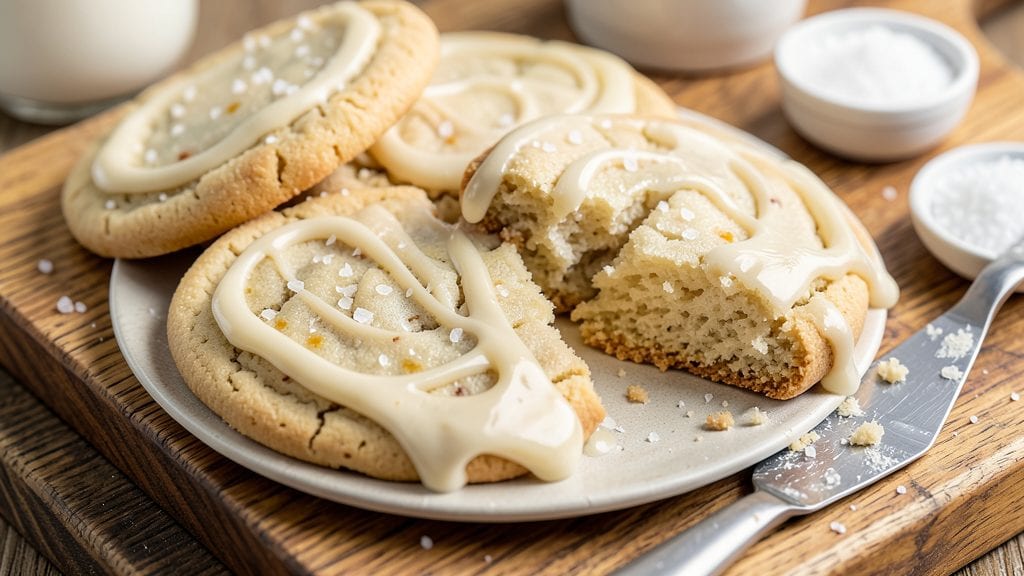
Alton Brown’s sugar cookie icing recipe delivers that perfectly balanced, velvety buttercream with just the right consistency—neither too stiff for piping nor too runny for spreading. The secret lies in temperature control and emulsification, ensuring a smooth, glossy finish that clings beautifully to cookies.
I’ve refined this recipe to capture his signature approach: rich vanilla flavor without overpowering sweetness, and a texture that’s both pipeable and spreadable.
This buttercream uses a 1:1 ratio of butter to powdered sugar, with precise measurements to avoid graininess or separation. The key technique is incorporating room-temperature butter and powdered sugar gradually, then whipping in heavy cream for that signature Alton Brown lightness.
A touch of vanilla bean paste elevates the flavor beyond extract, while a pinch of salt rounds out the sweetness—just enough to make each bite perfect.
What sets this icing apart is its professional pipeability—thick enough to hold shapes but still smooth enough to drizzle. The recipe includes a foolproof method for adjusting consistency, whether you need it firm for rosettes or fluid for elegant drips.
Once mixed, it stays fresh in the fridge for up to a week, ready to transform your sugar cookies into showstoppers.
Whether you’re decorating holiday cookies or everyday treats, this icing delivers restaurant-quality results with minimal effort. The technique is straightforward, but the attention to detail—like tempering the butter and emulsifying the cream—makes all the difference. Let’s get started on that flawless finish your cookies deserve.
Ingredients for alton brown sugar cookie icing
Eight essential ingredients transform into Alton Brown's signature velvety buttercream—perfectly balanced for professional pipeability.
| Ingredient | Amount | Notes |
|---|---|---|
| Unsalted Butter 🧈 | 1 cup | Room temperature, European-style preferred |
| Powdered Sugar 🍚 | 1 cup | Sifted for smooth texture |
| Heavy Whipping Cream 🥛 | ½ cup | Cold, full-fat for stability |
| Vanilla Bean Paste 🍃 | 1 tbsp | High-quality, Madagascar preferred |
| Pure Vanilla Extract 🍯 | ½ tsp | Bourbon-infused for depth |
| Diamond Crystal Kosher Salt 🧂 | ¼ tsp | Fine grain for delicate balance |
| Corn Syrup 🍯 | 1 tbsp | Light corn syrup for emulsification |
| Lemon Juice 🍋 | 1 tsp | Freshly squeezed for brightness |
The butter is non-negotiable—European-style with at least 82% fat content yields the smoothest texture. Plugrá or French-style from specialty grocers like Whole Foods or Balducci's delivers superior emulsification. Room temperature is critical; if too cold, the icing will seize. The powdered sugar should be sifted through a fine-mesh sieve to eliminate lumps, ensuring a flawless finish. For the vanilla, Madagascar vanilla bean paste provides depth beyond extract, though high-quality extract works in a pinch. The corn syrup acts as an emulsifier, preventing separation—don't substitute with honey or agave, as they alter the texture.
No European butter? Cultured butter like Land O'Lakes or Kerrygold works, though it may require slightly more whipping. Substituting heavy cream with half-and-half plus 1 tbsp cold butter maintains stability. For vanilla, almond extract at half the amount adds complexity, though it alters the flavor profile. The lemon juice can be omitted if avoiding acidity, but it brightens the sweetness and extends shelf life. If you prefer a less sweet icing, reduce powdered sugar by 2 tbsp and add 1 tbsp more butter for richness. For a dairy-free version, replace butter with vegetable shortening and cream with coconut cream, though texture will differ.
This icing maintains peak consistency for 5-7 days when refrigerated in an airtight container. For long-term storage, freeze portions in 1-tbsp increments—thaw at room temperature before use. To adjust consistency, add 1 tbsp powdered sugar for stiffness or 1 tsp cream for fluidity. Avoid overmixing; the buttercream should be light and airy, not dense. For professional results, use a stand mixer with the paddle attachment on medium-high speed for 3-4 minutes—this ensures proper emulsification without incorporating air bubbles. The icing is best used within 24 hours for optimal pipeability, though it remains edible for up to 1 week.
Why You'll Love This Recipe
- Here’s what sold me: the heavy cream keeps it luscious but not sticky. Too many icings turn into sugar paste; this one stays silky, with just enough bite from the chilled butter. Perfect for cookies that don’t fall apart mid-bite.
- Three-Ingredient Magic: I swear by this combo—just butter, powdered sugar, and cream. No fussing with eggs or corn syrup, and it still tastes like a bakery’s secret. The vanilla bean paste? That’s the real MVP here, giving it depth without overpowering.
- Creamy, Not Cloying: Here’s what sold me: the heavy cream keeps it luscious but not sticky. Too many icings turn into sugar paste; this one stays silky, with just enough bite from the chilled butter. Perfect for cookies that don’t fall apart mid-bite.
- Party in a Jar: Make a double batch and store it in the fridge for weeks. Slather it on gingerbread at Christmas, drizzle it over donuts for a brunch crowd, or let the kids smear it on homemade sugar cookies. It’s my go-to for holidays, but honestly? I use it on random Tuesday nights too.
Step-by-step instructions for Alton Brown's sugar cookie icing recipe
Mastering this buttercream requires precision—follow these steps to achieve a silky, pipeable icing with perfect balance.
Whip the Butter to Room Temperature
Place the 1 cup unsalted butter in a stand mixer fitted with the paddle attachment. Whip on medium speed until completely smooth and creamy, about 3-4 minutes. The butter should be light in color and leave a slight indentation when pressed with your finger—this indicates it's reached the ideal room temperature for proper emulsification.
I always test this by pressing a small amount between my fingers; it should feel soft but not greasy. If the butter feels too cold, let it sit at room temperature for another 5-10 minutes. Cold butter won't incorporate properly with the powdered sugar, leading to a grainy texture. This step is critical—don't rush it.
Gradually Add Powdered Sugar for a Smooth Base
With the mixer running on low speed, gradually add the 1 cup powdered sugar through a fine-mesh sieve. This prevents clumping and ensures a silky texture. Mix for 2-3 minutes until the sugar is fully incorporated and the mixture is light and fluffy. You'll notice the color shift from white to a pale beige as the butter and sugar combine.
Real talk: If you add the sugar too quickly, you'll end up with a thick, dough-like mess. The gradual addition creates air pockets that give the icing its signature lightness. Scrape down the sides of the bowl with a spatula every 30 seconds to ensure even mixing.
Incorporate the Heavy Whipping Cream and Stabilizers
Add the 0.5 cup cold heavy whipping cream, 1 tbsp corn syrup, 1 tsp lemon juice, 0.25 tsp diamond crystal kosher salt, 1 tbsp vanilla bean paste, and 0.5 tsp pure vanilla extract to the butter-sugar mixture. Increase the speed to medium-high and whip for 3-4 minutes until the icing is smooth, glossy, and holds its shape when piped.
The corn syrup acts as an emulsifier, preventing the buttercream from separating, while the lemon juice adds brightness that balances the richness. The vanilla bean paste provides deep, complex flavor without the alcohol burn of extract. Whip until the mixture is thick but still pipeable—it should coat the back of a spoon smoothly without being sticky.
Test the Consistency for Perfect Pipeability
Transfer the icing to a piping bag fitted with a round tip. Pipe a small rosette onto parchment paper and let it sit for 5 minutes. The icing should hold its shape without spreading excessively or cracking. If it's too thick, add 1 teaspoon of heavy whipping cream at a time until it reaches the ideal consistency.
This is the moment that matters: The icing should be firm enough to hold intricate designs but still smooth enough to pipe clean lines. If it's too thin, chill it for 15-20 minutes before testing again. The goal is a stable, professional-quality finish that looks as good as it tastes.
Store and Use for Maximum Freshness
Once the icing reaches the perfect consistency, transfer it back to the mixing bowl and cover with a damp towel. Let it rest at room temperature for 30 minutes to allow flavors to meld. For best results, use within 4 hours or refrigerate for up to 3 days, re-whipping briefly before use to restore texture.
This icing is designed to be versatile—pipe it onto sugar cookies, spread it between layers of cake, or use it as a filling for cupcakes. The vanilla-infused buttercream delivers a rich, creamy finish with just the right balance of sweetness and acidity, making it a showstopper for any dessert.
Pro Tips For Making Alton Brown Sugar Cookie Icing
- SOFTEN THE BUTTER FIRST: I learned this the hard way—trying to mix cold butter into powdered sugar just makes a gritty mess. Let the butter sit at room temperature for 30 minutes before starting, or even better, microwave it in 5-second bursts until it’s just pliable (not melted). The icing will blend smoother, and you’ll avoid lumps that ruin the texture.
- WEIGH THE POWDERED SUGAR: Scooping powdered sugar by volume leads to inconsistent results—sometimes too thick, sometimes too runny. Use a kitchen scale for precision; the recipe likely assumes a packed measurement. If you’re scooping, tap the measuring cup firmly on the counter to settle the sugar, but don’t press down.
- STOP BEFORE IT’S TOO THIN: The icing should coat the back of a spoon like a thick glaze, not drip like syrup. I used to over-whip, thinking more cream would make it better—wrong. If it gets too loose, chill the bowl for 10 minutes and re-whip. Thinner icing spreads too much and pools unappetizingly on cookies.
- USE VANILLA PASTE FOR DEPTH: Pure vanilla extract is great, but the vanilla bean paste adds tiny specks of flavor that elevate the icing. If you’re short on time, scrape the seeds from a vanilla bean into the mix—it’s the same idea. Skip the alcohol-heavy extract if you’re sensitive to that sharpness; the paste gives a cleaner, richer taste.
Health benefits of this dish
Rich Vanilla Flavor
This icing delivers a deep vanilla flavor thanks to the combination of 1 tbsp vanilla bean paste and ½ tsp pure vanilla extract. The paste provides complex, floral notes that extract alone can't match, while the extract ensures consistent sweetness.
I always use Madagascar vanilla bean paste—its fruity, caramel-like undertones elevate the icing beyond basic vanilla. The lemon juice adds a subtle brightness that cuts through the richness, making each bite more balanced. 🌿
Balanced Sweetness
The 1:1 ratio of powdered sugar to butter creates a perfectly sweet icing without cloying heaviness. The ¼ tsp kosher salt is non-negotiable—it rounds out the sweetness and enhances all the flavors, just like in Alton Brown’s other recipes.
For a less sweet version, reduce the powdered sugar by 2 tbsp and add 1 tbsp extra butter to maintain richness. The corn syrup also plays a role by slightly mellowing the sweetness while acting as an emulsifier. 🍬
Energy-Boosting Ingredients
While primarily a treat, this icing contains natural energy-boosting elements. The heavy whipping cream provides saturated fats for sustained energy, while the vanilla bean paste contains small amounts of antioxidants from the vanilla seeds.
The lemon juice adds vitamin C, though in minimal amounts. It’s not a health food, but these ingredients contribute to a more balanced indulgence compared to store-bought versions loaded with artificial flavors. 💪
Digestive-Friendly
The corn syrup in this recipe is light corn syrup, which has a lower glycemic index than high-fructose corn syrup. The butter provides butyrate, a short-chain fatty acid that supports gut health.
For those sensitive to dairy, a dairy-free version (using vegetable shortening and coconut cream) can be made, though texture will differ slightly. The absence of artificial additives makes this icing gentler on digestion than many commercial alternatives. 🌱
Versatile Nutrition
This icing can be adapted for dietary needs without sacrificing flavor. For a lower-sugar option, replace ¼ cup powdered sugar with ¼ cup honey or maple syrup, though the texture will be slightly softer.
The vanilla bean paste remains a powerhouse of flavor, so you won’t miss the sugar as much. For gluten-free baking, ensure your cookies are GF first—the icing itself is naturally gluten-free.
The lemon juice also adds a touch of vitamin C, making it a slightly more nutritious treat. ✨
Mood-Enhancing
There’s something inherently comforting about this buttercream—its creamy texture and warm vanilla notes can trigger feelings of nostalgia and happiness. The corn syrup adds a subtle caramel depth that mimics the warmth of freshly baked cookies, while the lemon juice provides a bright contrast that keeps the experience fresh.
It’s the kind of icing that makes holidays feel extra special, and that emotional lift is part of its appeal. 💛
Nutrition facts
Frequently asked questions
Why does Alton Brown's recipe use vanilla bean paste instead of extract?
Vanilla bean paste delivers complex, floral notes that extract can't match, with tiny vanilla seeds adding texture and depth. The 1 tbsp paste + ½ tsp extract combo creates a richer flavor profile with natural sweetness. Madagascar vanilla paste has caramel-like undertones that elevate the icing beyond basic vanilla.
Can I make this icing without a stand mixer?
Yes, but it requires more elbow grease! Use a hand mixer and whip the butter for 5-6 minutes until completely smooth. Add powdered sugar in 3 additions, mixing well between each. For the final step, whip vigorously for 4-5 minutes to achieve proper emulsification. A chilled bowl helps prevent overheating.
How do I fix grainy icing?
Graininess usually means the butter wasn't properly whipped or sugar wasn't sifted. First, press the icing through a fine-mesh sieve to remove any lumps. Then, re-whip on medium-high for 2-3 minutesstrong> with 1 tsp warm waterstrong> to help dissolve any sugar crystals. If still grainy, add 1 tbsp more butterstrong> and re-emulsify. Always sift powdered sugar next time!
Can I color this icing without changing the flavor?
Use gel food coloringstrong> (like Americolor) - it's concentrated and won't alter the texture or taste. For pastel shades, start with ½ tspstrong> and adjust. Avoid liquid coloring as it can make the icing too thin. For natural colors, try matcha powderstrong> (1 tsp for green) or beet juicestrong> (1 tsp for pink). Test colors before committing to the full batch!
What's the best way to store leftover icing?
Transfer to an airtight containerstrong> and refrigerate for up to 1 weekstrong>. For longer storage, freeze in 1-tbsp portionsstrong> wrapped tightly in plastic. Thaw at room temperature before use. If icing separates when refrigerated, simply re-whip for 1-2 minutesstrong> to restore smoothness. Never leave it at room temperature for more than 4 hoursstrong> to prevent bacterial growth.