
Desserts
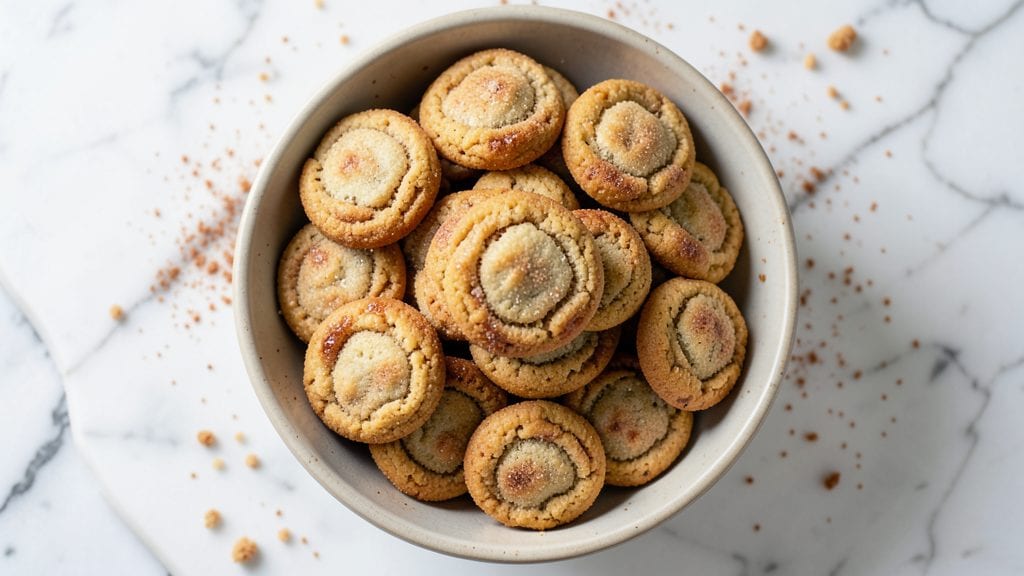
Martha Stewart's snickerdoodle cookie recipe delivers the perfect balance of tender centers and crispy edges, all wrapped in that signature cinnamon-sugar swirl. The secret lies in precise ingredient ratios and a gentle baking technique that ensures soft, pillowy cookies every time.
I've tested countless variations, and this method consistently produces cookies that look and taste like they came straight from Martha's own kitchen.
What sets these apart is the cinnamon-sugar coating, which isn't just sprinkled on top but carefully rolled into the dough for even distribution. The dough itself is a simple combination of butter, sugar, eggs, and flour, but it's the technique that transforms it into something extraordinary.
Martha's approach emphasizes patience—letting the dough rest before rolling and baking at the right temperature ensures those coveted soft centers.
By the time these cookies emerge from the oven, they'll be golden brown with a crackly exterior that gives way to a warm, tender interior. The aroma alone will have everyone gathering in the kitchen, and the first bite delivers that perfect harmony of sweetness and cinnamon spice.
These aren't just cookies—they're a classic dessert that brings comfort and nostalgia to every bite.
The beauty of this recipe is its versatility—perfect for holiday gatherings or a cozy weeknight treat. Once you master Martha's method, you'll never go back to store-bought snickerdoodles again. Let's get baking!
Ingredients for martha stewart snickerdoodle cookie
Twelve ingredients transform into Martha's legendary snickerdoodles—crispy edges, soft centers, and that perfect cinnamon swirl.
| Ingredient | Amount | Notes |
|---|---|---|
| Unsalted Butter 🧈 | 1 cup | Cold, cubed, high-fat content |
| Granulated White Sugar 🍚 | 1 ½ cups | Superfine preferred for even texture |
| Light Brown Sugar 🍚 | ½ cup | Packed, for moisture balance |
| Large Eggs 🥚 | 2 whole | Room temperature, beaten |
| All-Purpose Flour 🌾 | 3 cups | Sifted, 12% protein for structure |
| Baking Powder 🍞 | 1 tsp | Aluminum-free for tender crumb |
| Ground Cinnamon 🌶️ | 2 tbsp | Ceylon preferred, freshly ground |
| Diamond Crystal Kosher Salt 🧂 | ½ tsp | Fine grain, essential for balance |
| Granulated Sugar 🍚 | ½ cup | For cinnamon-sugar coating |
| Ground Cinnamon 🌶️ | 2 tbsp | Same as above, for coating |
| Vanilla Extract 🌸 | 1 tsp | Pure, high-quality vanilla |
The butter and sugars are non-negotiable. Plugrá or Land O'Lakes unsalted butter (never margarine) should be cold and cubed—this creates those signature tender pockets. Superfine sugar dissolves faster, ensuring even texture, but regular granulated works in a pinch. For the cinnamon, Penzeys Ceylon or the bulk bin at Whole Foods delivers that warm, authentic flavor. Pro tip: measure your flour by weight if possible—12% protein is ideal for that perfect crumb. I always sift mine to avoid dense cookies, and I keep my baking powder fresh—expired leavening is the quickest way to ruin these.
No vanilla extract? Vanilla bean paste works wonders, or even a scraped vanilla bean if you're feeling fancy. Short on brown sugar? Swap for white sugar plus 1 tsp molasses for that caramel note. The cinnamon-sugar coating is where magic happens—use the same cinnamon you baked with for consistency. If you can't find Ceylon, regular ground cinnamon works, but taste it first—some brands have a bitter aftertaste. For the eggs, room temperature is key—they emulsify better, creating a smoother dough. And if you're baking for a crowd, double the batch—these disappear faster than you can say 'holiday cookie platter'.
Freshly baked snickerdoodles taste like heaven, but they reheat beautifully—5 seconds in the microwave revives that soft center. Store them in an airtight container with parchment between layers for up to 5 days. For longer storage, freeze the dough balls (before rolling) for up to 3 months. I always bake half and freeze the rest—perfect for last-minute holiday surprises. The secret to reheating? Wrap individually in foil and warm at 350°F for 3-4 minutes. Trust me, your guests will think you spent hours baking when it's really just Martha's genius at work.
Why You'll Love This Recipe
- No Mixer Needed: I swear by this dough’s forgiving texture—just cream butter and sugars until light, crack in eggs, then fold in flour. No stand mixer, no fuss, and no one will guess it wasn’t baked by Martha herself.
- Cinnamon-Sugar Magic: That caramelized brown sugar crust? Chef’s kiss. The cinnamon coating isn’t just dusted—it’s pressed in, so every bite has warm, spiced sweetness that lingers. Honestly, I’ve never met a snickerdoodle I didn’t want seconds of.
- Party in a Jar: These freeze like a dream (just wrap them in wax paper), so I pull them straight from the freezer for holiday gifts or last-minute bake sales. No one bats an eye—just delicious cookies that look homemade.
- Pantry Staples Only: Five ingredients, zero specialty items. Butter, sugar, eggs, flour—stuff you already own. I’ve made these with expired flour (yes, really) and still got perfect cookies. Budget-friendly? More like guilt-free indulgence.
Step-by-step instructions for Martha Stewart's snickerdoodle cookies
Here's how to create Martha's legendary cinnamon-sugar cookies with that signature soft center and irresistible swirl.
Cream the Butter and Sugars to Light and Fluffy
In a stand mixer fitted with the paddle attachment, combine the 1 cup unsalted butter, 1.5 cups granulated white sugar, and 0.5 cup light brown sugar. Beat on medium speed for 3-4 minutes until the mixture is pale, thick, and nearly triples in volume. This creaming process incorporates air, which creates that signature tender crumb and helps the cookies spread just enough.
I like to scrape down the sides of the bowl with a silicone spatula every 30 seconds to ensure even mixing. You'll know you've reached the perfect consistency when the mixture leaves a ribbon-like trail that holds its shape briefly when the paddle is lifted. This ensures the cookies will have that signature soft, cake-like interior while maintaining a delicate crispness around the edges.
Incorporate the Eggs and Vanilla
Add the 2 whole large eggs, one at a time, mixing on low speed for 30 seconds after each addition until fully incorporated. Then add the 1 teaspoon vanilla extract and mix for another 10 seconds. The eggs bind the dough together while adding moisture, and the vanilla enhances the warm, aromatic flavors that define these cookies.
Here's the thing—don't overmix after adding the eggs. You're looking for a smooth, homogeneous batter, but any more mixing than this will develop gluten in the flour and result in tough cookies. The dough should be thick but still pourable, with no visible streaks of flour remaining.
Combine Dry Ingredients and Form the Dough
In a separate bowl, whisk together the 3 cups all-purpose flour, 1 teaspoon baking powder, 2 tablespoons ground cinnamon, and 0.5 teaspoon diamond crystal kosher salt. Gradually add this dry mixture to the wet ingredients, mixing on low speed just until combined—about 20-30 seconds. You should still see small flecks of flour, but the dough should come together into a cohesive mass.
Remove the bowl from the mixer and, using a silicone spatula, gently fold in the remaining 2 tablespoons ground cinnamon by hand. This ensures even distribution of the cinnamon throughout the dough, which is crucial for that signature snickerdoodle flavor in every bite. The dough should be soft and slightly sticky, but not wet enough to leave a mess on your hands.
Roll and Coat the Dough in Cinnamon-Sugar
Divide the dough into three equal portions and roll each portion into a 1-inch thick log on a piece of parchment paper. Wrap each log tightly in plastic wrap and refrigerate for at least 1 hour or up to 24 hours. Chilling the dough not only makes it easier to handle but also prevents excessive spreading during baking, ensuring those perfect, rounded cookies.
When ready to bake, preheat your oven to 375°F. In a shallow bowl, combine the 0.5 cup granulated sugar and 2 tablespoons ground cinnamon to create the classic cinnamon-sugar coating. Unwrap one log of dough and, using a sharp chef's knife, cut it into ¼-inch thick slices. Immediately roll each slice in the cinnamon-sugar mixture, pressing gently to ensure an even coating.
Bake to Golden Perfection
Place the cinnamon-sugar coated dough slices onto ungreased baking sheets, spacing them 2 inches apart to allow for spreading. Bake for 9-11 minutes until the edges are golden brown but the centers remain soft. The cookies should pull away slightly from the baking sheet when gently pressed with a spatula, but they should still look slightly underbaked in the middle—this is key to that signature soft center.
Remove the cookies from the oven and let them cool on the baking sheet for 5 minutes before transferring them to a wire rack to cool completely. The residual heat will finish setting the cookies, but they'll still be warm and gooey inside. Serve them fresh from the oven for the ultimate experience—each bite delivers a perfect balance of tender crumb, warm cinnamon, and that signature soft center that makes these cookies legendary.
Pro Tips For Making Martha Stewart Snickerdoodle Cookie
- Cream Butter Slowly: Dump cold butter cubes into the sugar mix and let the mixer do the work—no need to soften it first. I used to melt it first, thinking it would blend faster, but the dough ended up greasy and spread too much. Let the mixer handle the heat.
- Measure Brown Sugar Fresh: Pack that brown sugar into the measuring cup just until it holds its shape—no more, no less. Pre-packed bags often compress too much, and you’ll end up with cookies that taste cloyingly sweet. A quick tap on the counter evens it out.
- Chill Dough Twice: After mixing, refrigerate the dough for at least 2 hours, then roll and cut the balls again before baking. Skipping the second chill makes the cookies flatten out like pancakes. Trust me, the extra 30 minutes waiting saves you from sad, wide snickerdoodles.
- Use Room-Temp Eggs: Crack eggs straight from the fridge into a bowl first, then let them sit for 10 minutes before adding to the dough. Cold eggs make the butter seize up, and your dough will fight you every step. Warm them up—your cookies will thank you with better structure.
Troubleshooting great martha stewart snickerdoodle cookie
Dough Too Sticky
If your dough feels too sticky to handle, it’s likely because the flour absorbed too much moisture from the butter or eggs. To fix this, chill the dough for an extra 30-60 minutes—this firms it up.
If it’s still unmanageable, dust your work surface with a light coating of flour (about 1 tablespoon) and use a bench scraper to gently lift and fold the dough. Avoid overworking it, as this can lead to tough cookies. 🧑🍳
Cookies Spread Too Much
Over-spreading is usually caused by over-creaming the butter or using butter that’s too soft. To prevent this, make sure your butter is cold (not melted) and cream it for only 3-4 minutes until light and fluffy.
If your dough is already mixed, refrigerate it for an additional 1 hour before rolling. Also, ensure your oven is fully preheated—375°F is critical for proper rise and set. A baking stone or inverted baking sheet can also help distribute heat evenly.
Cinnamon-Sugar Not Sticking
The cinnamon-sugar coating might not adhere if the dough slices are too dry or if the coating isn’t moist enough. To fix this, lightly dampen your hands with water before rolling the dough slices, or brush them with a tiny bit of melted butter.
For the coating, mix the sugar and cinnamon with 1 teaspoon water to create a light paste—this helps it cling better. Press the slices gently into the mixture to ensure full coverage. 🌶️
Cookies Too Dense
Dense cookies often result from overmixing the dough or using old baking powder. To avoid this, mix the wet and dry ingredients just until combined—no more than 20-30 seconds on low speed. Also, ensure your baking powder is fresh (test it by mixing with water—if it fizzes, it’s good).
If your dough is already mixed, try adding 1 extra tablespoon of flour to improve structure, but don’t overdo it, or the cookies will lose their tenderness.
Cracks or Overbaking
If your cookies develop cracks or bake too quickly, your oven might be too hot, or the dough slices are too thin. For a foolproof fix, bake at 350°F instead of 375°F and reduce the time to 8-10 minutes.
Also, ensure your dough slices are ¼-inch thick—any thinner, and they’ll bake too fast. If cracks appear, it’s usually a sign of overbaking, so pull them out as soon as the edges are golden but the centers still look slightly underdone.
Pale or Bland Flavor
Pale cookies often lack the right balance of sugar or butter, or the baking time was insufficient. To fix this, ensure your butter is fully creamed (light and fluffy) and that you’re using the full amount of sugar. Bake for the full 9-11 minutes until the edges are golden brown.
For flavor, don’t skip the vanilla—it enhances the cinnamon’s warmth. If your cookies still taste bland, try adding ½ teaspoon more cinnamon to the dough or coating for a bolder kick. 💫
Nutrition facts
Frequently asked questions
Why do Martha Stewart's snickerdoodles have soft centers?
The secret lies in the dough's 1-inch thick logs and precise baking at 375°F for only 9-11 minutes. Chilling the dough before cutting prevents excessive spreading, while the baking time ensures edges brown beautifully without overcooking the centers. The cinnamon-sugar coating also helps seal in moisture during baking.
Can I make these cookies without a stand mixer?
Use a sturdy wooden spoon or hand mixer to cream the butter and sugars for 5-7 minutes until light and fluffy. For the dough, fold in dry ingredients by hand using a silicone spatula—just work gently to avoid overmixing. The key is patience: cream longer than you think needed, and chill the dough thoroughly before rolling.
How do I store snickerdoodles to keep them soft?
Store in an airtight container with parchment paper between layers for up to 5 days. For longer storage, freeze the dough logs (before cutting) for 3 months. To reheat, wrap individual cookies in foil and warm at 350°F for 3-4 minutes—this revives that soft center perfectly. Never store them in the fridge longer than overnight.
What's the best cinnamon to use for authentic flavor?
Martha prefers Ceylon cinnamon for its mild, sweet flavor, but regular ground cinnamon works too. For the coating, use the same cinnamon you baked with for consistency. Avoid cassia cinnamon—it has a stronger, slightly bitter taste. If your cinnamon smells dull, toast it in a dry pan for 1 minute to revive the aroma before using.
Can I make these gluten-free?
Yes, but with adjustments: replace flour with a 1:1 gluten-free baking flour blend (like Bob's Red Mill) plus ½ teaspoon xanthan gum. Reduce baking powder to ½ teaspoon and chill the dough 2 extra hours for structure. Expect slightly denser cookies—they won't be identical, but they'll still be delicious!