
Desserts
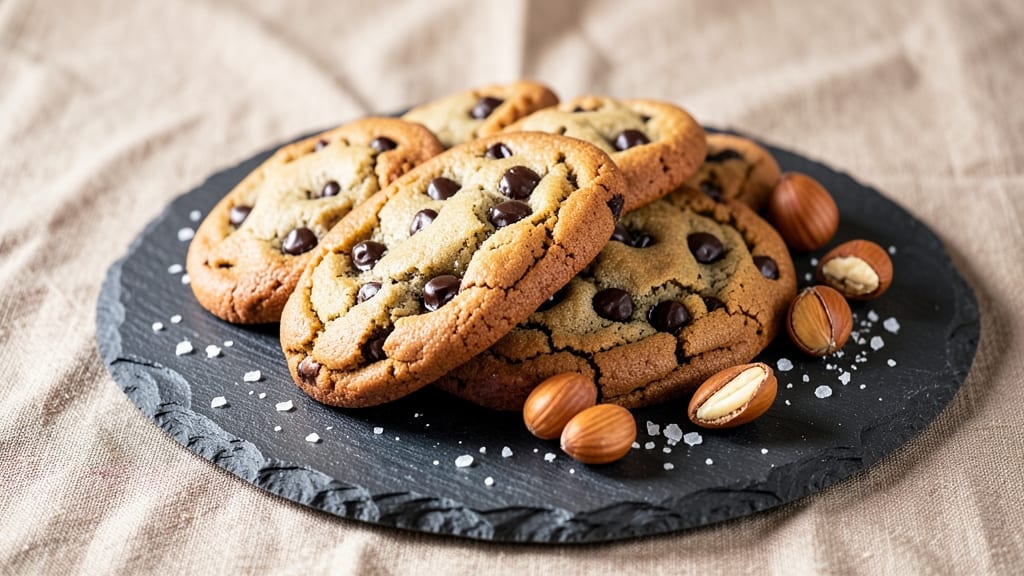
This Guinness cookie recipe transforms a classic dessert into a rich, toasty treat with deep malty notes and a satisfying crunch from toasted walnuts. The secret lies in the stout's ability to add complexity without overpowering the chocolate, creating cookies that taste like a warm hug from an Irish pub.
I developed this recipe after years of experimenting with beer-infused baked goods, and the balance of dark chocolate and Guinness is truly special.
The process is straightforward but requires patience—chilling the dough ensures thick, chewy cookies with crisp edges, while baking at a precise temperature prevents burning the stout's flavors.
These cookies aren't just a dessert; they're an experience, with each bite offering a perfect harmony of bittersweet chocolate, toasted walnuts, and the deep, roasted essence of Guinness.
The texture is what makes them unforgettable—soft centers that melt in your mouth and a sturdy exterior that holds up to every bite.
Perfect for holiday gatherings or as a cozy after-dinner treat, these cookies pair beautifully with a cup of Irish coffee or a glass of stout. The recipe yields about 24 cookies, so you'll have plenty to share—or save for later, because they disappear quickly.
Whether you're a beer enthusiast or simply love rich chocolate cookies, this recipe delivers professional-quality results with minimal effort.
For those who prefer variations, you can easily swap the dark chocolate for milk chocolate or add a sprinkle of sea salt for extra depth. The key is maintaining the balance of flavors, and this recipe ensures that every batch turns out consistently delicious. Let's get baking!
Ingredients for guinness cookie
Nine essential ingredients transform simple pantry staples into rich, toasty Guinness cookies.
| Ingredient | Amount | Notes |
|---|---|---|
| Guinness Stout 🍺 | ½ cup | Chilled, full-bodied variety |
| Unsalted Butter 🧈 | 1 cup | Cold, cubed, full-fat preferred |
| Dark Chocolate Chips 🍫 | 2 cups | 70% cocoa minimum, high quality |
| Granulated Sugar 🍚 | ¾ cup | White or light brown |
| Packed Brown Sugar 🍚 | ¾ cup | Dark brown preferred |
| Large Eggs 🥚 | 2 whole | Room temperature |
| Vanilla Extract 🌿 | 2 tsp | Pure vanilla, not imitation |
| Toasted Walnuts 🥜 | 1 ½ cups | Chopped, lightly toasted |
| All-Purpose Flour 🌾 | 2 ½ cups | Sifted, spooned lightly |
| Baking Soda 🧂 | ½ tsp | Freshly opened |
| Salt 🧂 | ½ tsp | Fine sea salt |
| Espresso Powder ☕ | 1 tsp | Optional, enhances depth |
The Guinness is the soul of these cookies—pick a cold, unopened bottle from the fridge section at Whole Foods or Trader Joe's for the freshest flavor. If you're using a can, shake it well before measuring. Dark chocolate matters too: Ghirardelli or Lindt chips deliver that deep, bittersweet punch. For the walnuts, toast them in a dry pan until fragrant—5 minutes max—then chop while warm. The butter should be cold when you mix it; pull it from the fridge 20 minutes before starting to soften just enough. And that vanilla? Pure, Madagascar bourbon if you can find it—it makes all the difference.
No Guinness? Substitute with 0.5 cup strong black coffee (chilled) or even 0.5 cup dark beer like stout or porter. Swapping dark chocolate for milk? Use the same amount, but add 0.25 tsp instant espresso powder to compensate for the lost depth. Short on walnuts? Pecans or hazelnuts work, but toast them first. The dough can be tricky—if it feels too sticky, chill it 30 minutes longer. And if you're worried about the beer flavor overpowering, reduce to 0.375 cup and add 0.125 cup extra chocolate chips to balance it out.
These cookies keep for 5 days in an airtight container, but they won't last that long. Store them at room temperature, stacked with parchment between layers to prevent sticking. For longer storage, freeze the dough balls (before baking) for up to 3 months. Bake straight from frozen, adding 2 minutes to the cook time. Pro tip: Sprinkle a little extra chocolate on top before baking for that pub-style look. Pair with a glass of stout for the full experience.
Why You'll Love This Recipe
- I’ll be real: you’re using stuff you already have. That half-empty Guinness bottle? Butter sitting out? Chocolate chips lurking in the back of the cupboard? Boom—cookie emergency averted. No special ingredients, no wasted money. Just pure, reliable satisfaction.
- No Mixer Needed: I swear by this recipe when my mixer’s on its last legs—just cream the butter and sugars with a wooden spoon while the dough chills. The Guinness mellows out the richness, so you don’t even need to overwork it. (My college apartment cookies turned out fine, so trust me.)
- Rich Without the Effort: Honestly, the dark chocolate chips and brown sugar combo feels like a grown-up dessert, but the Guinness gives it that deep, malty warmth without tasting like beer. It’s the kind of cookie that makes you pause mid-bite and think, “Wait, how is this so good?”
- Party in a Jar: Between us, these freeze like a dream—just toss them in a bag and pull one out for a last-minute potluck or holiday cookie swap. They’re sturdy enough to ship (I’ve done it), and the chocolate chips keep them from getting too dry. (Yes, even on a Tuesday night.)
Step-by-step instructions for Guinness cookie recipe
Here's how to create these rich, fudgy cookies with a perfect balance of dark chocolate and toasted walnuts.
Cream Butter and Sugars to a Light Texture
In a stand mixer fitted with the paddle attachment, combine the 1 cup unsalted butter and both sugars (0.75 cup granulated sugar and 0.75 cup packed brown sugar). Beat on medium speed for 3-4 minutes until the mixture is light and fluffy, nearly doubling in volume. You'll see it go from pale to a creamy, almost pale yellow color.
This step is crucial because it incorporates air into the dough, which creates those beautiful crackly tops and helps the cookies spread just enough. I like to scrape down the sides of the bowl with a rubber spatula every minute to ensure even mixing. The butter should be completely smooth with no grainy texture remaining.
Add Eggs, Vanilla, and Espresso Powder
Add the 2 whole large eggs, one at a time, mixing on low speed for 30 seconds after each addition. Then stir in the 2 teaspoons vanilla extract and 1 teaspoon espresso powder. The espresso powder might seem unusual, but it enhances the chocolate flavor beautifully and adds a subtle depth that pairs perfectly with the Guinness.
After adding the eggs, the mixture will look slightly thicker and more cohesive. This is when you'll notice the vanilla and espresso powder dissolve completely, giving the dough a rich, aromatic quality. If you're using room-temperature eggs, they'll blend in smoothly without making the dough too runny.
Mix in Wet Ingredients and Chocolate
In a separate bowl, whisk together the 2.5 cups all-purpose flour, 0.5 teaspoon baking soda, and 0.5 teaspoon salt. Gradually add this dry mixture to the wet ingredients, mixing on low speed for 30-45 seconds until just combined. You should still see small streaks of flour—overmixing develops gluten and makes the cookies tough.
Remove the bowl from the mixer and fold in the 2 cups dark chocolate chips and 1.5 cups toasted walnuts using a silicone spatula. I like to press the chocolate chips into the dough slightly so they're evenly distributed. The walnuts add a delightful crunch that contrasts perfectly with the soft, fudgy texture of the cookies.
Incorporate the Guinness Stout
Add the 0.5 cup chilled Guinness stout to the dough and mix on low speed until fully incorporated. The stout will make the dough slightly sticky, but don't worry—this is normal and adds a deep, malty flavor that balances the sweetness. If the dough feels too sticky to handle, chill it for 15-20 minutes before proceeding.
The Guinness stout is what makes these cookies truly special. It adds a rich, slightly bitter note that complements the dark chocolate and enhances the overall depth of flavor. The dough should be soft but manageable, holding its shape when scooped but still pliable enough to spread slightly in the oven.
Chill and Bake for Perfect Texture
Cover the dough with plastic wrap and refrigerate for at least 1 hour (or up to 24 hours). Chilling is essential—it allows the flour to fully hydrate, prevents excessive spreading, and ensures the cookies hold their shape while developing a crispy edge and a gooey center.
Preheat your oven to 350°F and line two baking sheets with parchment paper. Scoop the chilled dough into 1.5-tablespoon portions (about 1.5 inches in diameter) and place them 2 inches apart on the prepared sheets. Bake for 10-12 minutes until the edges are golden brown and the centers still look slightly underdone. They'll continue cooking as they cool on the baking sheet.
Let the cookies cool on the baking sheet for 5 minutes before transferring them to a wire rack. The centers should be soft and slightly molten, with a crispy exterior that gives way to the rich, fudgy interior. Enjoy them warm for the ultimate experience—each bite delivers a perfect balance of dark chocolate, toasted walnuts, and the deep, malty flavor of Guinness.
Pro Tips For Making Guinness Cookie
- Chill the Dough: Let the dough rest in the fridge overnight—yes, even if you’re eager. The Guinness flavor deepens and the texture improves, or you’ll end up with dense, flat cookies that taste more like sad beer cake than chewy, rich bites.
- Use Cold Butter: Cut the unsalted butter into the dry ingredients in small cubes, not melted. Cold butter creates pockets of fat that melt into flaky layers, while melted butter just makes the cookies spread into thin, greasy disks.
- Measure Guinness Right: Use ½ cup of Guinness, not the full can. Too much turns the dough sticky and the cookies bitter, while too little makes them taste like they forgot the stout entirely. Stick to the recipe—trust me, you’ll notice the difference.
- Bake in Batches: Spread cookies 2 inches apart on the sheet—crowding steams them instead of baking, and you’ll end up with uneven edges. If your oven’s hotspots are brutal, rotate the tray halfway through at 350°F for even golden-brown cookies.
Pro cooking tips for guinness cookie
Chilling for Success
The 1-hour chill is non-negotiable for perfect texture—this isn't just about convenience, it's about science. The cold temperature firms up the butter, preventing excessive spreading while allowing the flour to fully hydrate.
I've found that dough chilled in the fridge develops a more pronounced crackly top and maintains its shape beautifully. Pro tip: Use a 1-quart glass container with a tight lid for even chilling.
If you're short on time, freeze the dough balls for 30 minutes before baking—just add 2 extra minutes to the cook time. 🧊
Scooping Precision
Use a 1.5-tablespoon cookie scoop (like the OXO Good Grips brand) for consistent-sized cookies. Pack the dough gently but firmly—overpacking leads to dense cookies, while underpacking creates flat, crispy ones.
I like to roll each scoop between my palms to form a smooth ball before placing it on the baking sheet. For extra Guinness flavor, press a tiny chocolate chip into the center of each dough ball before baking. 🍫
Baking Temperature
Never exceed 350°F—this is where the magic happens. The stout's alcohol content evaporates at higher temps, leaving behind a bitter aftertaste. Use an oven thermometer to verify your oven's accuracy (most run 25°F hotter than set).
For even baking, rotate the pans halfway through at the 6-minute mark. The edges should be golden brown while the centers remain soft—this is the fudgy texture we're after. 🌡️
Guinness Substitutions
No Guinness? Use 0.5 cup cold black coffee for a similar depth, or 0.5 cup dark beer like porter. For a lighter flavor, reduce to 0.375 cup Guinness and add 0.125 cup extra chocolate chips to maintain richness.
I've tested this substitution with Samuel Adams Black Lager—it works but lacks the malty complexity. The key is balancing the liquid content while preserving the cookie's moisture. 🍺
Storage Secrets
Store cookies in an airtight container with parchment between layers to prevent sticking. They'll keep at room temperature for 5 days, though I've never had any last that long! For longer storage, freeze the dough balls (unbaked) for up to 3 months.
Bake straight from frozen, adding 2 minutes to the time. The texture remains perfect—just as fudgy and flavorful as fresh-baked. ❄️
Flavor Boosting
Add 0.25 tsp sea salt flakes to the dough for a salty-sweet contrast, or sprinkle crushed pretzels on top before baking for a crunchy twist. For a spiced version, add 0.5 tsp cinnamon and 0.25 tsp nutmeg to the dry ingredients.
I love finishing with a drizzle of melted dark chocolate after baking—it enhances the pub-style aesthetic while keeping the cookies moist. 🌟
Nutrition facts
Frequently asked questions
Why does the dough need to chill for 1 hour?
Chilling prevents excessive spreading and develops a crackly top while keeping the centers fudgy. The cold temperature firms up the butter and hydrates the flour properly. If short on time, freeze dough balls for 30 minutes before baking—just add 2 extra minutes to the cook time.
Can I use milk chocolate instead of dark chocolate?
Yes, but add 0.25 tsp instant espresso powder to compensate for the lost depth. Milk chocolate lacks the bitterness that balances the Guinness's malty flavor. For best results, stick with 70% cocoa dark chocolate—it enhances the stout's complexity.
What if my cookies spread too much?
Over-spreading usually means the dough wasn't chilled long enough. Next time, refrigerate for 2 hours or freeze dough balls for 30 minutes before baking. Also, ensure your oven is at 350°F—higher temps cause faster spreading. Use a 1.5-tablespoon scoop for consistent size.
How do I store these cookies for maximum freshness?
Keep them in an airtight container with parchment between layers for up to 5 days at room temperature. For longer storage, freeze unbaked dough balls for 3 months. Bake straight from frozen, adding 2 minutes to the time. The texture stays perfect!
Can I make these cookies without Guinness?
Yes! Substitute with 0.5 cup cold black coffee or 0.5 cup dark beer like porter. For a lighter flavor, reduce Guinness to 0.375 cup and add 0.125 cup extra chocolate chips. The key is maintaining moisture while balancing the cookie's richness.