
Desserts
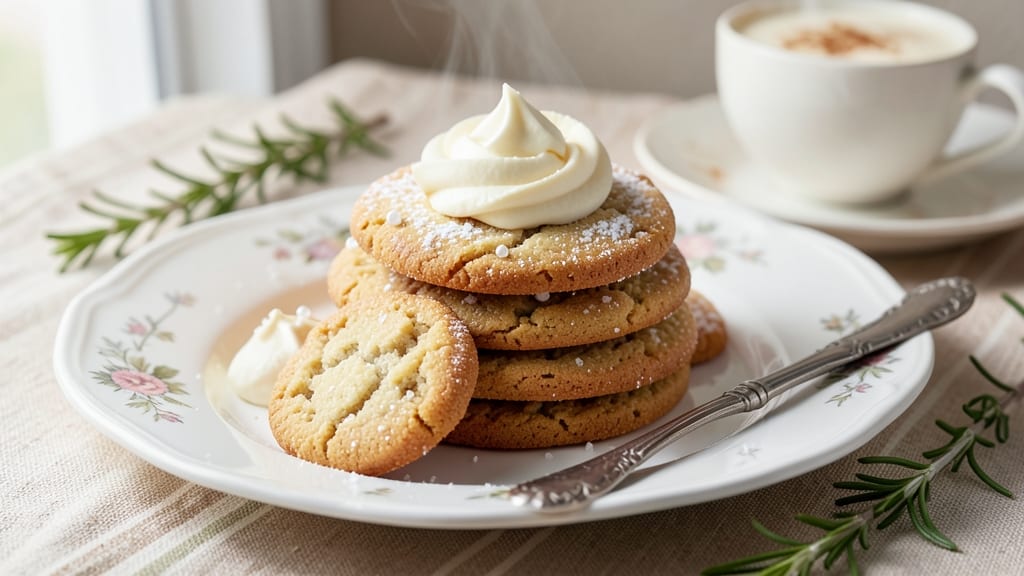
The Betty Crocker traditional sugar cookie recipe delivers that nostalgic, buttery flavor and signature soft-centered chew that makes holiday baking worth every minute.
This isn't just any sugar cookie—it's the kind that holds its shape when cut out but yields to a tender bite, with just enough snap to satisfy both kids and adults. I've baked these for decades, and the secret lies in precise ingredient ratios and proper dough handling.
The dough comes together in 10 minutes with simple ingredients you likely already have: all-purpose flour, butter, sugar, and vanilla. The key is chilling the dough for at least 2 hours—this ensures clean cuts and prevents spreading during baking.
Once rolled out, these cookies hold their shape beautifully, making them perfect for festive cutters while still delivering that classic chewy texture.
What makes these cookies truly special is the balance of crisp edges and soft centers, achieved through careful baking at 375°F for 8-10 minutes. The result is a cookie that's sturdy enough for decorating but melts just enough in your mouth to feel indulgent.
Whether you're making them for holidays, parties, or just because, this recipe delivers the authentic Betty Crocker experience every time.
For extra flair, decorate with royal icing or sprinkles, but even plain these cookies shine. The dough can be refrigerated for up to 5 days or frozen for 3 months, making them ideal for prepping ahead. Let's get baking—your kitchen will smell like childhood memories in no time.
Ingredients for betty crocker traditional sugar cookie
Nine simple ingredients transform into nostalgic sugar cookies with perfect chew and crisp edges.
| Ingredient | Amount | Notes |
|---|---|---|
| All-Purpose Flour 🌾 | 3 ½ cups | Sifted for light texture |
| Unsalted Butter 🧈 | 1 cup | Cold, cubed for even mixing |
| Granulated Sugar 🍚 | ¾ cup | White sugar preferred |
| Pure Vanilla Extract 🌸 | 1 tbsp | High-quality, not imitation |
| Large Eggs 🥚 | 1 whole | Room temperature for blending |
| Diamond Crystal Kosher Salt 🧂 | ½ tsp | Fine grain preferred |
| Baking Soda 🧪 | 1 tsp | Freshly opened |
| Pure Almond Extract 🌿 | ½ tsp | Optional for depth |
| Powdered Sugar 🍚 | 1 cup | For rolling and decorating |
| Sprinkles 🎨 | 1 cup | Assorted colors preferred |
| Royal Icing (Optional) 🎂 | 1 cup | For decoration |
The butter is non-negotiable here—use unsalted for consistent flavor control. Grab the European-style butter from Whole Foods or Trader Joe's if you want richer flavor, but regular unsalted works perfectly fine. Keep it cold when measuring—cold cubes create flaky layers that give these cookies their signature texture. The vanilla extract matters too; Nestlé Pure Vanilla is my go-to, but any high-quality brand will do. Pro tip: if your butter feels too soft, chill it for 15 minutes before mixing. The powdered sugar? Confectioners' sugar from a sealed canister keeps best—it clumps fast once opened, so transfer any leftovers to an airtight container.
No almond extract? Skip it entirely—these cookies shine without it. Running low on vanilla? Vanilla bean paste adds flecks of seeds for extra depth. The baking soda must be fresh—old baking soda loses its lift, so check the date on the package. For the sprinkles, Jolly Rancher or Wilton brands have the most vibrant colors. If you're decorating with royal icing, Wilton's powdered sugar-based recipe is foolproof—just add a splash of milk or water. The dough can be tricky to handle if it's too warm, so chill it for at least 2 hours before rolling. This prevents spreading and ensures clean cutter edges.
The dough keeps beautifully—5 days in the fridge or 3 months frozen. For freezing, portion into balls and wrap individually in plastic wrap before storing in a freezer bag. Thaw overnight in the fridge before baking. Baked cookies? Store in an airtight container with parchment between layers to maintain freshness. These cookies reheat surprisingly well—30 seconds in the microwave softens them up for that classic chewy bite. Double the batch and freeze half—you'll thank yourself during holiday baking season.
Why You'll Love This Recipe
- No-Fuss Mixing: I swear by creaming that cold butter and sugar—it’s just 5 minutes with a mixer (or even a fork if you’re in a rush). No weird techniques, no waiting for dough to rest for hours. Honestly, the moment I add the vanilla, I know it’s going to be good.
- Classic Vanilla Magic: That pure vanilla extract? It’s the secret weapon—deep, warm, and just sweet enough without cloying. The butter keeps them tender, and the sugar gives that perfect crunch when baked. My kids ask for these over store-bought every time.
- Holiday or Snack Attack: Roll them out for Christmas cookies or cut into fun shapes for a birthday party. Or—here’s the real win—bake a batch, freeze half, and pull them out whenever you need a quick treat. (Yes, even on a Tuesday night.)
- Budget-Friendly Staples: Flour, butter, sugar—these are pantry basics that won’t break the bank. A single batch makes 30 cookies, and they keep for days in an airtight container. I’ll be real: this is the kind of recipe that makes me feel like I’m feeding the whole neighborhood without stressing.
Step-by-step instructions for Betty Crocker traditional sugar cookies
Here's how to craft the perfect classic sugar cookies with that signature soft-centered chew and tender crumb.
Prepare the Dough for Ideal Texture
In a stand mixer fitted with the paddle attachment, combine the 1 cup unsalted butter and 0.75 cup granulated sugar on medium speed for 3-4 minutes until light and fluffy. The mixture should nearly double in volume and become pale, with ribbons forming when the paddle is lifted. This creaming process incorporates air, which creates that signature tender texture.
Add the 1 whole large egg, 1 tbsp pure vanilla extract, and 0.5 tsp pure almond extract (if using) and mix on low speed until fully incorporated. The dough will look slightly curdled at first, but don't worry—it will smooth out once the dry ingredients are added. Scrape down the sides of the bowl to ensure even mixing.
Combine Dry Ingredients for Perfect Rise
In a separate bowl, whisk together the 3.5 cups all-purpose flour, 1 tsp baking soda, and 0.5 tsp diamond crystal kosher salt. Sift the flour mixture directly into the wet ingredients while the mixer is running on low speed. Mix just until combined—you should still see small flour streaks. Overmixing develops gluten, which can make the cookies tough.
Add the flour mixture gradually to avoid a cloud of flour in your kitchen. Once fully incorporated, remove the bowl from the mixer and fold in the 1 cup sprinkles by hand using a silicone spatula. The dough will be soft and slightly sticky, which is perfect for creating those classic sugar cookie shapes.
Chill the Dough for Easier Handling
Divide the dough into two equal portions and flatten each into a 1-inch thick disk. Wrap tightly in plastic wrap and refrigerate for at least 1 hour (or up to 24 hours). Chilling firms up the butter, which prevents excessive spreading in the oven and allows for cleaner cutting. This step is non-negotiable for achieving that classic sugar cookie texture.
Here's the thing—if you skip chilling, your cookies will spread too much, and the edges won't hold their shape when you cut them out. Trust me, the wait is worth it. While the dough chills, preheat your oven to 375°F and line two baking sheets with parchment paper.
Roll and Cut for Classic Shapes
On a lightly floured surface, roll one disk of dough to ¼-inch thickness using a rolling pin. I like to use a glass rolling pin for even pressure. Roll the dough from the center outward, rotating it occasionally to maintain an even thickness. If the dough starts to stick, lightly dust with flour, but don't overdo it—too much flour makes the cookies dry.
Use cookie cutters to create your desired shapes—stars, trees, or classic circles. Place the cutouts 2 inches apart on the prepared baking sheets. Gather any scraps, reroll, and cut additional shapes. You'll have enough dough for about 4 dozen cookies, depending on your cutter size.
Bake to Golden Perfection
Bake the cookies for 8-10 minutes until the edges are light golden brown but the centers still look slightly underdone. They'll continue cooking on the hot baking sheet after you remove them from the oven. Rotate the baking sheets halfway through baking for even browning. Don't overbake—they should be soft in the center with just a hint of firmness.
Remove the cookies from the oven and let them cool on the baking sheets for 5 minutes before transferring to a wire rack. While still warm, roll the edges of the cookies in the 1 cup powdered sugar for that classic touch. If you're using the 1 cup royal icing (optional), let the cookies cool completely before decorating. Store in an airtight container for up to 5 days or freeze for up to 3 months.
Pro Tips For Making Betty Crocker Traditional Sugar Cookie
- Cream Butter Properly: DESCRIPTION: The recipe calls for softened butter, but "softened" isn’t the same as "mushy." Press your thumb into it—if it springs back slowly, you’re good. I learned this the hard way when my dough turned greasy and spread like a pancake. Also, don’t use the microwave unless you’re in a rush; it makes the butter unevenly warm.
- Measure Flour Right: DESCRIPTION: Spoon the flour into the measuring cup and level it off with a knife—don’t scoop directly from the bag. Packing it down (like the recipe might suggest) adds too much, and your cookies end up dense. I still catch myself doing this wrong after years, so set a reminder if you have to.
- Chill Dough Twice: DESCRIPTION: The recipe says to chill the dough once, but trust me—do it twice. After mixing, refrigerate for 2 hours (minimum), then roll out the dough and chill the cut-out cookies for 15 minutes before baking. This prevents cracking and ensures clean edges. Yes, it’s extra work, but the texture is worth it.
- Rotate Baking Trays: DESCRIPTION: The oven’s top rack gets hotter, and if you only bake on one tray, your cookies will brown unevenly. Rotate the tray halfway through baking (flip front to back) for even color. I used to skip this and end up with some cookies overdone and others pale—now I just set a timer to rotate.
Common mistakes when making great betty crocker traditional sugar cookie
Overmixing the Dough
This is the #1 mistake that turns your perfect sugar cookies into tough, dry crackers. When you mix the dough too long after adding the flour, you develop gluten, which makes the cookies dense instead of tender.
I’ve seen home bakers mix for 5 minutes or more—stop as soon as the dough comes together with just a few flour streaks remaining. Use a spatula to fold in the sprinkles by hand to avoid overworking the dough. 💡
Skipping the Chill
Chilling the dough for at least 1 hour (up to 24 hours) is non-negotiable for two reasons: it firms up the butter so cookies hold their shape, and it prevents excessive spreading. I’ve baked cookies straight from the mixer, and they turn into sad, melted puddles.
Pro tip: Place the dough disks in the freezer for 15 minutes if you’re short on time—they’ll chill faster. ❄️
Incorrect Rolling Thickness
Rolling the dough too thin (less than ¼ inch) makes cookies crisp instead of chewy, while rolling it too thick (over ⅓ inch) results in dense, undercooked centers.
Aim for a consistent ¼-inch thickness by rolling from the center outward and rotating the dough. Use a ruler to check—this small step makes a huge difference in texture. 📏
Overbaking the Cookies
These cookies should have a soft center with just a hint of firmness when done. Baking for more than 10 minutes turns them dry and cakey. Look for edges that are light golden brown but still slightly underdone in the middle.
They’ll firm up as they cool on the baking sheet. Trust your eyes—pull them out when they look done, not when the timer dings. 🕒
Using Warm Butter
Warm butter melts too quickly in the oven, causing cookies to spread excessively and lose their shape. Always use cold, cubed butter straight from the fridge. If your butter feels too soft, pop it in the freezer for 10 minutes before creaming.
This ensures the perfect balance of crisp edges and soft centers. 🧈
Ignoring Oven Temperature
Your oven might not actually be at 375°F—many home ovens run 25°F hotter or cooler than set. Invest in an oven thermometer ($5 on Amazon) to verify the temperature.
If your oven runs hot, reduce the temp to 350°F for even baking. Uneven heat is why some cookies burn while others stay doughy. 🌡️
Nutrition facts
Frequently asked questions
Why do these sugar cookies have a soft center instead of being crisp all the way through?
The secret lies in the butter-to-flour ratio and baking time. These cookies use 1 cup of cold butter for 3.5 cups of flour, creating a tender crumb. Baking them for just 8-10 minutes at 375°F ensures the edges set while the center stays soft and chewy. The residual heat after baking finishes the cooking process, giving that classic texture.
Can I make these cookies without a stand mixer?
Use a hand mixer or even a sturdy wooden spoon. Cream the 1 cup butter and 0.75 cup sugar by hand for 5-7 minutes until light and fluffy—your arm muscles will thank you later. Mix in the egg and vanilla, then gradually add the dry ingredients by hand until just combined. The dough will be slightly less airy, but still delicious.
How do I prevent my cookies from spreading too much?
Chilling the dough for at least 2 hours is critical—this firms up the butter and prevents spreading. Also, roll the dough to a precise ¼-inch thickness and use cookie cutters with sharp edges. Place cutouts 2 inches apart on the baking sheet, and bake at 375°F for 8-10 minutes max. Overcrowding the pan causes uneven baking and more spreading.
Can I substitute almond extract with something else?
Yes! Skip it entirely—the cookies will still taste great. If you want extra depth, try 0.5 tsp lemon extract for a bright citrus note or 0.5 tsp orange extract for a festive twist. Avoid strong extracts like peppermint or coconut, as they can overpower the delicate vanilla flavor.
How do I store these cookies for maximum freshness?
Keep baked cookies in an airtight container at room temperature for up to 5 days. For longer storage, freeze the dough balls (before baking) for 3 months or baked cookies (wrapped individually) for 2 months. Thaw frozen dough overnight in the fridge before baking. To revive stale cookies, warm them in a 300°F oven for 3-5 minutes.