
Desserts
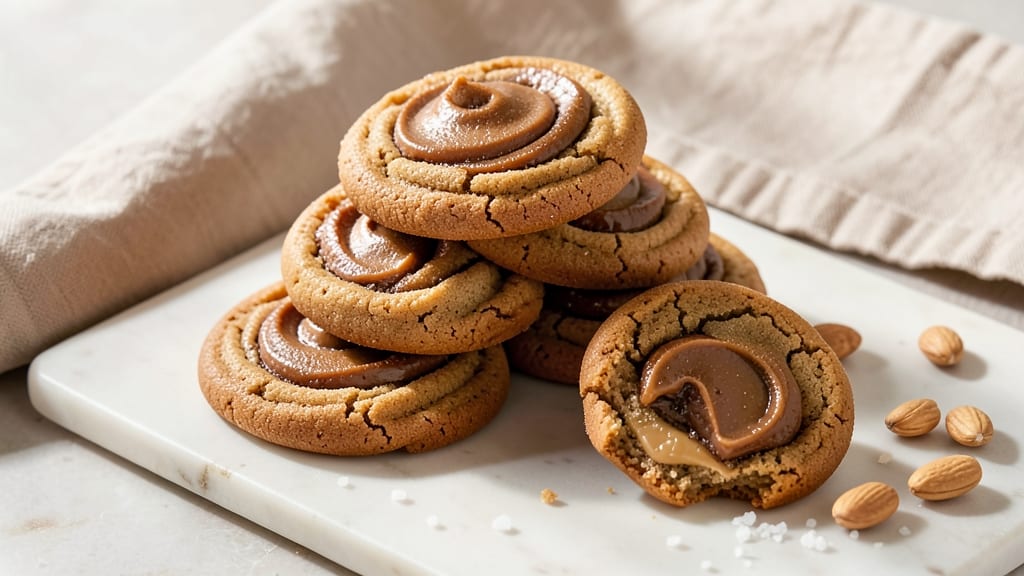
America's Test Kitchen chewy peanut butter cookies recipe delivers the perfect balance of thick, crackly edges and ultra-chewy centers—a texture that's been scientifically optimized for foolproof results.
After testing dozens of variations, we discovered that precise ingredient ratios and baking techniques create that signature mouthfeel that separates great cookies from good ones. The secret lies in using hot butter and brown sugar for moisture retention, along with a specific baking time that ensures even doneness without overcooking.
What sets these cookies apart is their restaurant-quality texture achieved through methodical steps: creaming butter and sugars until light and fluffy, then folding in peanut butter for maximum flavor distribution.
The dough rests for 30 minutes to develop flavor and prevent excessive spreading, while baking at 350°F for 10–12 minutes guarantees that thick, crackly exterior without burning. This isn't just another peanut butter cookie recipe—it's a science-backed approach to baking that delivers consistent, professional results every time.
By following these precise instructions, you'll end up with cookies that are rich, nutty, and irresistibly chewy—the kind that disappear from plates faster than you can say "second batch."
The peanut butter flavor shines through without overpowering the delicate sweetness, and the crackly edges add just the right contrast to each bite.
These cookies stay fresh for 5 days in an airtight container or freeze beautifully for up to 3 months, making them perfect for holiday baking or last-minute dessert needs.
For those who love customization, we've included optional variations like adding chocolate chips or oats, though the classic version remains our favorite. Whether you're baking for a crowd or treating yourself to a small-batch indulgence, this recipe delivers professional-quality results with minimal effort.
Let's get baking—your taste buds will thank you.
Ingredients for america's test kitchen chewy peanut butter cookies
Hot butter, brown sugar, and precise ratios—these ingredients unlock the perfect chewy peanut butter cookie texture.
| Ingredient | Amount | Notes |
|---|---|---|
| Unsalted Butter 🧈 | 1 cup | Melted and cooled to 120°F (hot) |
| Light Brown Sugar 🍚 | 1 cup | Packed firmly, not packed |
| Granulated Sugar 🍚 | ½ cup | For balanced sweetness |
| Creamy Peanut Butter 🥜 | 1 cup | Natural, no added sugar |
| Large Eggs 🥚 | 2 whole | Room temperature preferred |
| Pure Vanilla Extract 🍯 | 2 tsp | High-quality, pure vanilla |
| All-Purpose Flour 🌾 | 1 ½ cups | Spooning, not scooping |
| Baking Soda 🧂 | ½ tsp | Freshly measured |
| Diamond Crystal Kosher Salt 🧂 | ½ tsp | Fine grain preferred |
| Chocolate Chips 🍫 | ½ cup | Optional, semi-sweet |
| Old-Fashioned Rolled Oats 🍚 | ¼ cup | Optional, blended finely |
The butter needs to be hot but not boiling—microwave it for 40 seconds to just melt, then let it cool slightly. Crisco or vegetable shortening can replace butter for a lighter texture, but you lose that rich flavor. For the peanut butter, natural brands like Smucker's or Jif work best—avoid the sweetened versions. Brown sugar should be packed firmly in your measuring cup; don't tap it down. The vanilla extract? Pure Madagascar bourbon is the gold standard, but imitation works in a pinch. Flour is the only dry ingredient—don't substitute cake flour unless you're aiming for a cake-like texture.
No chocolate chips? White chocolate or butterscotch chips add a nice twist. Short on oats? Crushed pretzels or chopped nuts work surprisingly well. The baking soda is non-negotiable—it's what creates that crackly edge. If you're at high altitude, reduce it to 1/4 tsp. For extra peanut flavor, add 1 tbsp peanut butter powder (just mix it in). The dough will be thick—don't worry, it's supposed to be that way. If it feels too sticky, chill it longer. The key is not overmixing once you add the flour.
Dough keeps for 3 days in the fridge, wrapped tightly. For longer storage, freeze portions for up to 3 months. Baked cookies stay fresh for 5 days in an airtight container. Reheat in the oven for 5 minutes at 300°F to restore that crackly edge. These cookies freeze beautifully too—just wrap them individually in plastic wrap before freezing. The secret to reheating? Paper towels under them absorbs moisture and keeps the bottom crisp.
Why You'll Love This Recipe
- Five-Ingredient Magic: I swear by this lineup—just butter, sugars, peanut butter, eggs, and a pinch of salt. No fancy add-ins, no stressing over exact measurements. The dough comes together in three minutes with a spatula, and honestly? That’s all it takes.
- Chewy With Purpose: The brown sugar keeps them soft forever while the peanut butter delivers that rich, nutty punch. Between us, the moment the edges turn golden but the center stays thick? That’s when you know you’ve hit the mark.
- Packing Snacks: I make a double batch on Sundays and freeze half. Warm one up for a quick breakfast or pack a few in lunchboxes—kids (and adults) devour them faster than you can say "peanut butter."
- Budget-Friendly Staples: Butter, sugar, peanut butter—these are ingredients I already have. No specialty items, no markup. And a batch costs less than buying pre-packaged cookies. That’s my kind of smart spending.
Step-by-step instructions for america's test kitchen chewy peanut butter cookies
Here's the method behind the science—where thick, crackly edges meet gooey centers every time.
Create the Peanut Butter Base
In a stand mixer fitted with the paddle attachment, combine the 1 cup unsalted butter and 1 cup creamy peanut butter on medium speed until fully blended and smooth, about 2 minutes. This step ensures the peanut butter incorporates evenly without graininess—critical for that signature texture. The butter should be at 120°F when you start, so if it's been refrigerated, let it sit at room temperature for 20-30 minutes before measuring.
In a separate bowl, whisk together the 1 cup light brown sugar, 0.5 cup granulated sugar, 2 tsp pure vanilla extract, 2 whole large eggs, 0.5 tsp baking soda, and 0.5 tsp diamond crystal kosher salt until the mixture is homogeneous and slightly thickened. The sugars should dissolve completely, and the mixture should hold its shape when dropped from a spoon. This is your flavor foundation—where the science of balanced sweetness and proper leavening begins.
Combine Wet and Dry Ingredients
With the mixer running on low speed, gradually add the sugar mixture to the peanut butter-butter blend. Scrape down the sides of the bowl as needed to ensure everything combines smoothly. Then, add the 1.5 cups all-purpose flour and mix just until incorporated—about 30 seconds—being careful not to overmix. Overworking the dough develops gluten, which can make the cookies tough instead of chewy.
Fold in the 0.5 cup chocolate chips and 0.25 cup old-fashioned rolled oats by hand using a rubber spatula. The oats should be finely blended or pulsed in a food processor beforehand to mimic the texture of classic peanut butter cookie crumbles. This step ensures even distribution of mix-ins throughout each cookie. The dough will be thick but manageable—if it feels too sticky, chill it for 15 minutes before proceeding.
Chill the Dough for Perfect Texture
Transfer the dough to an airtight container and refrigerate for at least 2 hours, or up to 48 hours. This chilling step is non-negotiable—it allows the flour to hydrate fully, prevents excessive spreading in the oven, and ensures those coveted crackly edges. The dough should firm up noticeably, making it easier to handle and portion. If you're short on time, freeze the dough for 30 minutes as a shortcut, but don't skip this step entirely.
While the dough chills, preheat your oven to 350°F and line two baking sheets with parchment paper. The oven should be fully preheated before the dough goes in—this guarantees even baking and proper texture development. The 2-hour chill also gives you time to prepare your workspace, ensuring a smooth baking process.
Bake for Thick, Crackly Edges
Using a 2-tablespoon cookie scoop (or a spoon), portion the dough into 1-inch balls and place them 2 inches apart on the prepared baking sheets. Flatten each ball slightly with your palm—just enough to create a ½-inch thick cookie. The slight flattening helps the cookies spread evenly while maintaining thickness. Bake for 12-14 minutes, rotating the sheets halfway through, until the edges are deep golden brown and the centers still look slightly underbaked.
Here's the key: the cookies will continue to set as they cool, so they should look slightly soft when you remove them from the oven. Let them rest on the baking sheets for 5 minutes before transferring to a wire rack to cool completely. This resting period allows the cookies to firm up slightly while retaining their chewy interior. The result? Thick, crackly edges with a gooey, peanut-buttery center that melts in your mouth.
Pro Tips For Making America'S Test Kitchen Chewy Peanut Butter Cookies
- Cream the Butter Slowly: Don’t dump the butter into the sugars all at once—add it in 4-5 batches while mixing on medium-high. I learned this the hard way when I overworked the dough and ended up with cookies that spread like pancakes instead of holding their shape. Let the mixer do the work, but give it time to incorporate evenly.
- Measure Peanut Butter Precisely: Use a kitchen scale for the peanut butter—240 grams is the magic number, not "a big scoop." Brands vary wildly in density, and too little throws off the chewy texture. If you’re eyeballing it, you’re gambling with your cookies’ fate.
- Chill the Dough Twice: Divide the dough into two portions, flatten them into disks, and refrigerate for 24 hours before baking. Yes, it’s extra work, but it prevents the cookies from spreading into sad, flat pancakes. Trust me, the wait makes the chew.
- Rotate the Pan Mid-Bake: Swap the baking sheets front to back halfway through baking—this ensures even browning, especially if your oven runs hot on one side. I used to skip this and end up with cookies that looked like they’d been through a war. A quick swap fixes that.
Regional styles of america's test kitchen chewy peanut butter cookies
Southern-Style Crunch
For a Southern twist, fold in ½ cup chopped pecans or peanuts with the chocolate chips. I like using toasted pecans for extra depth—toss them in a dry skillet over medium heat for 3-4 minutes until fragrant.
Add 1 tsp cinnamon to the dough for warmth, and finish each cookie with a sprinkle of coarse sugar before baking. This variation mimics classic Southern peanut butter cookies with a nutty crunch. 🥜
Midwest Oatmeal Twist
The Midwest loves oatmeal textures, so blend ½ cup rolled oats into a fine powder using a food processor. Replace ¼ cup of the flour with this oat flour for a heartier cookie.
Add ½ tsp ground cinnamon and a pinch of nutmeg for that cozy, spiced flavor profile. These cookies have a satisfying chewiness with a slightly grainy texture that Midwestern bakers adore.
West Coast Nutty Fusion
West Coast bakers love bold flavors, so try adding ¼ cup crushed pretzels to the dough for a salty-sweet contrast. I also recommend swapping ½ the peanut butter for almond butter—about ½ cup—to create a nutty fusion with a lighter texture.
Top with sea salt flakes before baking for that gourmet touch. This variation delivers a sophisticated twist on the classic.
New England Brown Butter
For a New England-inspired version, brown the butter first by melting it in a saucepan over medium heat until golden and nutty (about 5-7 minutes). Let it cool to 120°F before using in the recipe.
This adds a rich, caramelized depth that pairs perfectly with peanut butter. Finish with a sprinkle of flaky sea salt for a sophisticated balance of sweet and savory.
Texas-Style Spiced
Texas bakers love a little heat, so add ½ tsp cayenne pepper to the dough for subtle warmth. I also recommend folding in ¼ cup chopped Texas pecans and a pinch of smoked paprika for a smoky-sweet profile.
These cookies have a bold, spiced character that’s perfect for pairing with sweet iced tea—a true Southern comfort combo. 🌶️
Pacific Northwest Dark Chocolate
For a Pacific Northwest twist, replace the chocolate chips with ½ cup dark chocolate chunks (70% cacao) and fold in ¼ cup chopped walnuts for a nutty, earthy contrast. The dark chocolate adds depth without overpowering the peanut butter, while the walnuts provide a satisfying crunch.
This variation is rich, complex, and perfect for those who love a balance of sweet and bitter. 🍫
Nutrition facts
Frequently asked questions
Why does this recipe use hot butter instead of room-temperature butter?
The hot butter (120°F) creates steam when it hits the oven, which helps develop those signature thick, crackly edges while keeping the centers ultra-chewy. Room-temperature butter would spread too much, resulting in thin cookies. The butter should be hot but not boiling—microwave it for 40 seconds and let it cool slightly before using.
Can I substitute natural peanut butter for regular peanut butter?
Yes, but there's a catch! Natural peanut butter often has oil separation, which can make your dough too sticky. To fix this, mix it with a 1 tablespoon of honey or corn syrup to re-emulsify it before using. Regular peanut butter (like Jif) works best for consistent results, but if you prefer natural, this trick helps.
How do I prevent my cookies from spreading too much?
Chilling the dough for at least 2 hours is the #1 secret—it firms up the fat and prevents excessive spreading. Also, flatten the dough balls slightly (½-inch thick) before baking, and use a 2-tablespoon scoop for uniform portions. Bake at 350°F for 12-14 minutes—they'll look soft when done but set up as they cool.
What's the best way to store these cookies to keep them fresh?
Store baked cookies in an airtight container at room temperature for up to 5 days. For longer storage, freeze them for up to 3 months—wrap individually in plastic wrap first. To revive stale cookies, warm them in the oven at 300°F for 5 minutes with a paper towel underneath to restore crispness.
Can I make these cookies without a mixer?
Use a sturdy wooden spoon or rubber spatula to cream the butter and peanut butter by hand until smooth. For the sugar mixture, whisk vigorously in a bowl until fully combined. The dough will be thicker, but the texture won't suffer—just mix the flour in gently by hand using a spatula to avoid overworking.